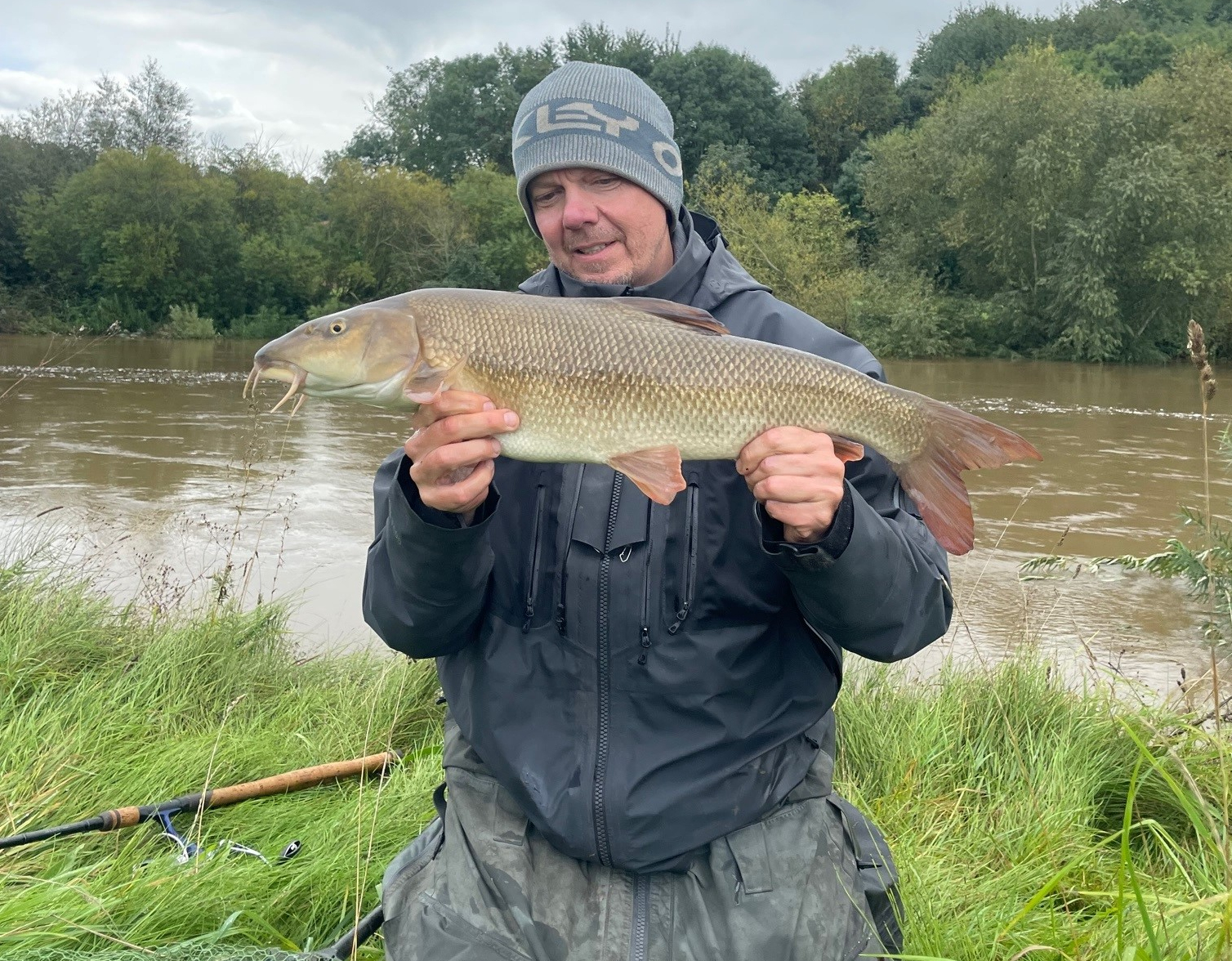
Chasing Whiskers: Top 14 Barbel Venues
There is nothing quite like the “three-foot twitch” of a barbel. It’s a drug for the river angler. The sudden, violent bend in the rod that signals a battle with the hardest-fighting fish in our freshwater. Whether you’re a seasoned specimen hunter or a newcomer looking for your first “double,” choosing the right stretch of water is 90% of the battle.
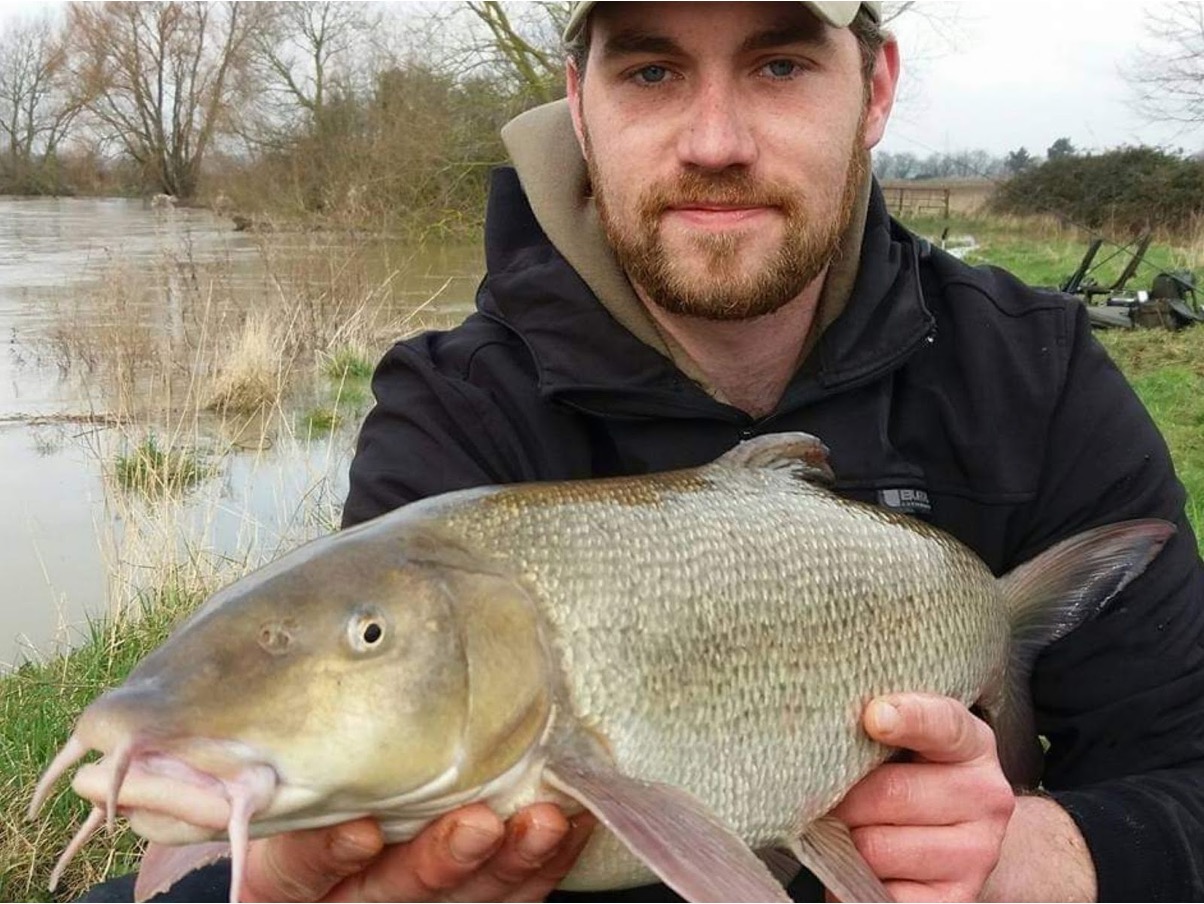
A bristling barbel caught from a flooded Nene backwater
Key Takeaways
- The River Trent remains the premier “numbers” river, with the tidal stretches producing the most consistent double-figure fish.
- The River Wye offers the best scenery and catch rates, though average sizes are slightly lower than the Midlands powerhouses.
- The Hampshire Avon requires high-level stealth but holds the most prestigious specimen potential in the south.
- Closed Season: All UK rivers are closed for coarse fishing from 15 March to 15 June inclusive.
- Essential Gear: A 1.75lb to 2.25lb test curve rod and 12lb+ mainline are standard for these powerful flows.
What we’ve noticed when fishing for Barbel
Throughout 2025 we’ve noticed that barbel are becoming increasingly “line shy” in clear-water rivers like the Wye and Avon, but having fished the Lower Severn during the late autumn floods, I can attest that stepping up your gear is not optional. We witnessed several breakages on 10lb line; in 2026, we recommend a minimum of 12lb mono when the rivers are “up and chocolate.”
The Top 15 Barbel Venues for 2026
1. The River Trent (Collingham)
The tidal Trent at Collingham is the current “Barbel Capital.” The stretch below Cromwell Weir at Pegs 1 through 10 is legendary for massive bags, with Peg 1 being the crown jewel for monster specimens. Use heavy 4oz–6oz “bait-wait” feeders to hold the bottom against the tide and target fish with large halibut pellets or spiced boilies. The best time to visit is late September when spring tides stir up the riverbed and the fish are feeding hard.
2. The River Wye (Lower Canon Bridge)
This is a pristine, gravel-bottomed stretch offering high catch rates and breathtaking views. Focus on the faster, shallower runs near The Weir Garden where the water is highly oxygenated. Roving with a simple running lead or “rolling meat” through the deeper gullies is the top technique for these active fish. Use tinned luncheon meat torn into irregular chunks or 8mm pellets, and aim for the early season in June or July for the best action on the shallows.
3. The River Severn (Highley/Hampton Loade)
The “Middle Severn” is a powerhouse for double-figure fish, particularly the Highley and Hampton Loade stretches. The Top Meadow at pegs 1 through 15 is excellent for summer stalking, while the deeper holes in the Third Meadow hold the larger residents during the autumn. Try feeder fishing with a long tail of four to six feet to let the bait flutter naturally in the current. October is the prime month to visit, especially after a “freshet” of rain raises the water levels.
4. The Hampshire Avon (Royalty Fishery)
As the most historic stretch in the UK, the Royalty requires a stealthy approach. Focus on famous spots like The Compound, The Pipes, or the House Pool for a chance at a true specimen. These fish are highly pressured, so using backleads to pin your line to the bed is essential to avoid spooking them. Natural baits like worms or high-quality fishmeal boilies often out-produce standard pellets here, particularly in the late evening just before the sun dips.
5. The River Kennet (Burghfield)
An intimate river with challenging snags and deep, sweeping bends. Stretches near Burghfield Bridge are prime, especially the Arrowhead section at the upstream end. Use short-session roving tactics and a heavy 2lb test curve rod to “persuade” fish away from the underwater roots that dominate this river. Smelly garlic-glugged meat or large 14mm pellets are the top baits, with the river fishing exceptionally well during the murky conditions of an autumn flood.
6. The River Thames (Sunbury/Shepperton)
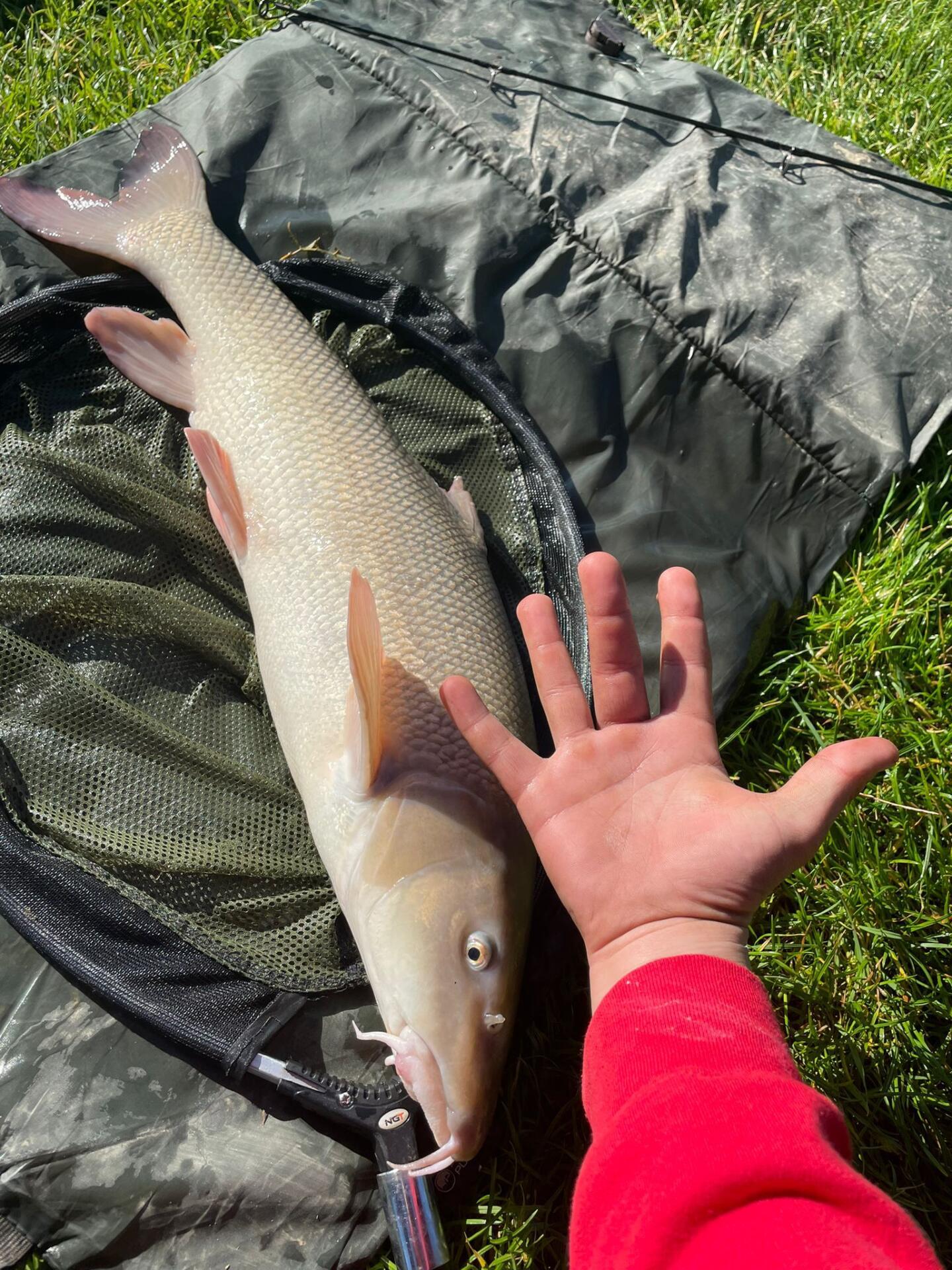
Massive, nomadic fish reside in these deep weir pools, with Sunbury Weir being a known holding area for potential record-breakers. Use large, heavy feeders or heavy-duty bolt rigs to handle the immense flow of the main river. Patience is required here, as you may wait hours for a single bite, but it is likely to be a “monster” when it happens. Using 20mm boilies helps avoid nuisance fish while you wait for a Thames giant to find your hookbait.
7. The River Ribble (Ribchester)
The North’s premier barbel water offers fantastic sport at the Village Front and Madgell Bank. Use up-tiding or “bow-string” fishing techniques to keep the line out of the heavy central current and prevent the lead from dragging. Pellet “sandwiches” in a mesh feeder are highly effective for drawing fish in from downstream. Visit in August or September when the river is dropping and clearing after a heavy summer downpour for the most consistent results.
8. The River Great Ouse (Radwell)
This is a low-density but high-reward river where the fish often reach impressive weights. Focus on the sections below the Railway Bridge or around Radwell Mill where overhanging trees provide cover. Look for marginal shelves where barbel hide during the daylight hours and try small 10mm pellets or maggots to encourage a feeding response. September is the best time to target this stretch, especially when fishing into the dark.
9. The River Derwent (Borrowash to Sawley)
This Derbyshire gem has seen a major resurgence in recent years. The 6.5-mile stretch controlled by Derby City AC is prime territory for those who like a mix of feeder and float tactics. Stick float trotting with heavy gear can be incredibly productive in the shallower glides during July and August. Use liquidised bread in a cage feeder with bread flake on the hook for a classic approach that still fools the biggest fish in the river.
10. The River Taff (Cardiff)
An urban success story that proves you don’t need to be in the middle of the countryside to find quality barbel. Stretches from Canton Bridge to Black Weir hold surprisingly large fish that respond well to mobile stalking tactics. A simple setup with a single rod and a bag of bread crust or large pellets is all you need. Focus on the early mornings during July and August before the city noise picks up for the best chance of a quiet hook-up.
11. The River Dove (Fauld)
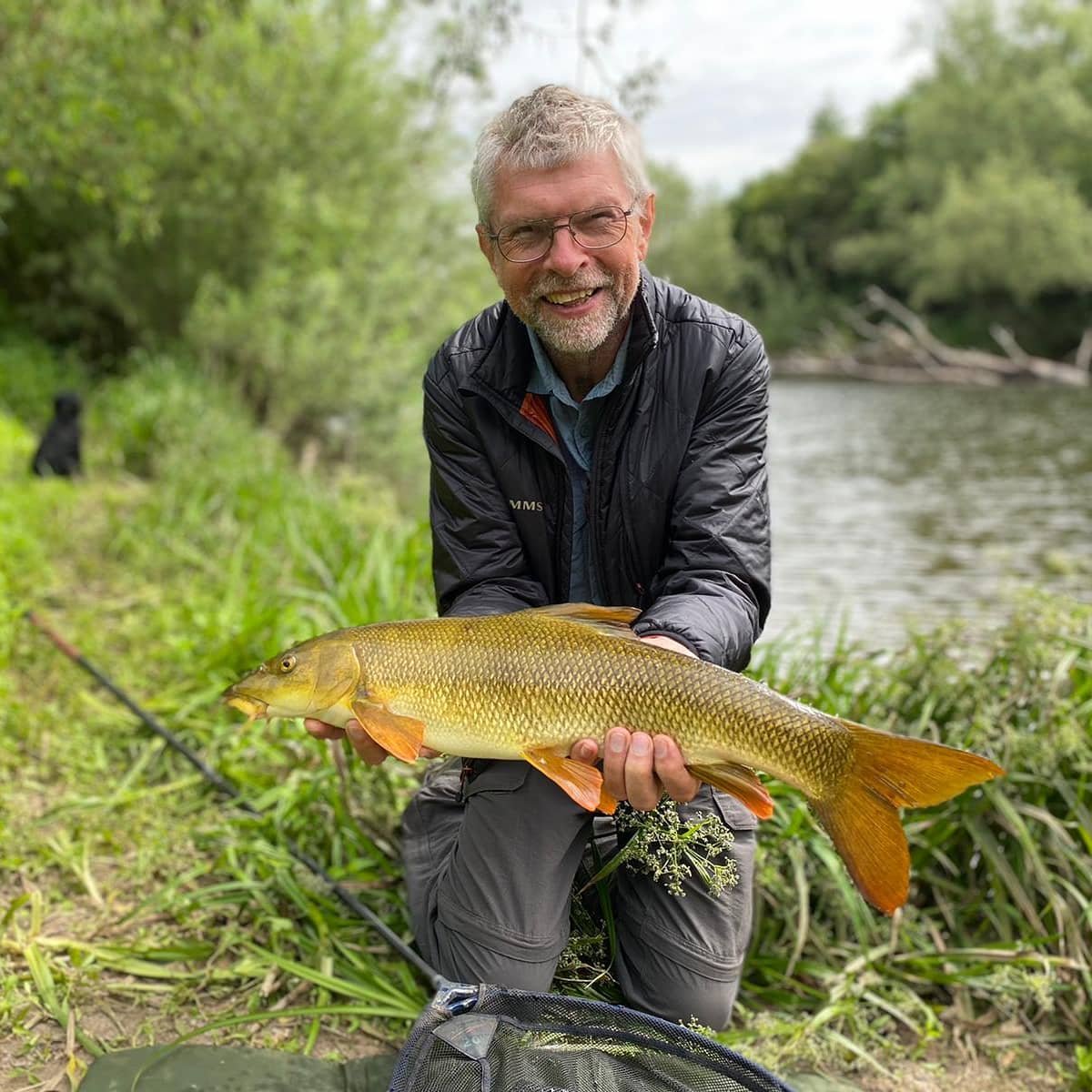
A stunning tributary of the Trent. Focus on the Fauld stretch for shallow gravel runs.
Technique: Roving with a “heavy lead” approach or rolling meat under the far-bank bushes.
Baits: Large cubes of garlic luncheon meat or high-leakage fishmeal pellets.
Best Time: Late summer evening as the light fades over the limestone banks.
12. The River Swale (Cundall/Helperby)
The Swale is North Yorkshire’s premier barbel river, known for its rapid rises and falls. The stretch at Helperby is famous for deep bends and fast shallows. Local experts swear by “the swim down from the island” for double-figure fish. Use large 14mm pellets or paste-wrapped boilies to combat the murky water. The best time to visit is during the “backend” of the season in October when the bigger fish move into the deeper holes.
13. The River Lea (Kings Weir)
Home to the current British record – a stunning 22lb fish caught by James Crosby. A challenging, historic water. Kings Weir pool is the jewel of the river.
Technique: High-tech bolt rigs or heavy feeder tactics are needed to hold in the weir’s boil. Precision casting is essential.
Baits: High-quality 15mm boilies or bunches of large worms.
Best Time: Winter; the Lea barbel often feed well even in colder temperatures.
14. The River Nene (Alwalton)
The Alwalton stretch (P&DAA) is a known hotspot for double-figure fish.
Technique: Floating crust or stalking in the clear summer margins, switching to heavy feeder tactics in autumn.
Baits: Hemp and caster for building a swim; pellets for the hook.
Best Time: Early autumn (September) when the weed starts to die back.
Please Note
Fishery rules and regulations do change, and although we’ve done our best to check all the venues above, please make sure you visit the waters own website before planning your trip to check availability, opening times and rules on baits and techniques. If in doubt, call the local bailiff before booking or visiting.
FAQ Section
When is the best time of year to go barbel fishing in the UK?
While the season opens on June 16th, the best time is often late August through October. As the water cools and the “barbel autumn” begins, the fish feed heavily to bulk up for winter, making them more aggressive and easier to target with large baits.
Do I need a special license to fish for barbel?
No, but you must have a valid Environment Agency (EA) rod license for England and Wales. This covers you for up to two rods. In addition, you will need either a day ticket, a club membership, or permission from the landowner for the specific stretch.
What is the best bait for UK barbel in 2026?
High-protein halibut pellets and spicy “Robyn Red” style boilies remain the gold standard. However, in high-pressure areas, “old school” baits like large chunks of garlic-scented luncheon meat or a bunch of worms often catch the fish that have become wary of round baits.
Can I keep the barbel I catch to eat?
No. Barbel are a catch-and-release species in the UK. Most club and EA bylaws strictly prohibit the removal of coarse fish. Furthermore, barbel are prized for their sport; they must be handled with care and returned safely to the water alive.
What tackle should I use for river barbel?
Use a dedicated barbel rod with a 1.75lb or 2.25lb test curve. Pair this with a reliable “Baitrunner” style reel loaded with 12lb abrasion-resistant monofilament. A large, deep landing net and a padded unhooking mat are mandatory requirements for the fish’s safety.
Is night fishing allowed on UK rivers?
It depends on the club or landowner. Many “Day Ticket” stretches forbid night fishing, while many “Syndicate” or “Club” stretches allow it. Always check the specific rules for your venue before setting up, as bailiffs are strict on these regulations.
How do I handle a barbel safely?
Barbel fight to the point of exhaustion. Always “rest” the fish before releasing, hold the fish upright in the current until it kicks strongly away.
Where can I find the official fishing rules?
You should always consult the GOV.UK website for national “Freshwater Rod Fishing Rules” and the Wye & Usk Foundation or local angling club websites for specific river bylaws and permit requirements.
A note from the editor
We have written and researched this with care, but mistakes could be present and details about fisheries can change. Before planning your session, always check with the fishery bailiff regarding availability, current rules, and any specific regulations. Always make sure you have a valid rod licence.
Sourcing & Regulations
All anglers must adhere to the National Salmon and Freshwater Fisheries Act.
- Environment Agency: Check Rod Licence Requirements
- The Barbel Society: For conservation and handling guidelines
- Canal & River Trust: For access to towpath-based river stretches

Similar articles
Chasing Giants: A Guide to Catching a 50lb Carp in the UK
For many catching a 50lb UK carp is a lifetime achievement. This guide highlights the venues, elite tactics, and the expert mindset required to land these wary, record-breaking giants in British waters.
A guide to fishing and rod licences in 2026
Whether you want to become a new angler or you’ve been fishing for years, you will be required to obtain the Environment Agency Rod Licence. In this article we explain what you’ll need if you want to go fishing in…
A Guide to Disabled-Friendly Fisheries in the UK
Fishing should be enjoyable and accessible to everyone. For anglers with disabilities or reduced mobility, finding fisheries that accommodate specific needs is important. Here’s a list of fisheries in the UK that offer disabled-friendly facilities, easy access to fishing pegs,…
Keep catching in winter: Fishing tips for bad weather!
Poor conditions don’t always mean poor fishing. Winter is always a testing time for the angler, but by thinking ahead and making smart choices there’s still every chance of bites and fish! Author and guide Dom Garnett is your guide…
Love fishing & looking for work?
Are you passionate about fishing and a skilled writer? We’re looking for a freelance Content Writer to create engaging, angling-focused articles that inform, entertain, and inspire our audience.
Big carp arrive at The Folly Main Lake!
There’s even more to get excited about at The Folly Main Lake this autumn, with the introduction of ten stunning Old English carp, each weighing between 20lb and 25lb. These impressive new fish are set to bring fresh challenges and…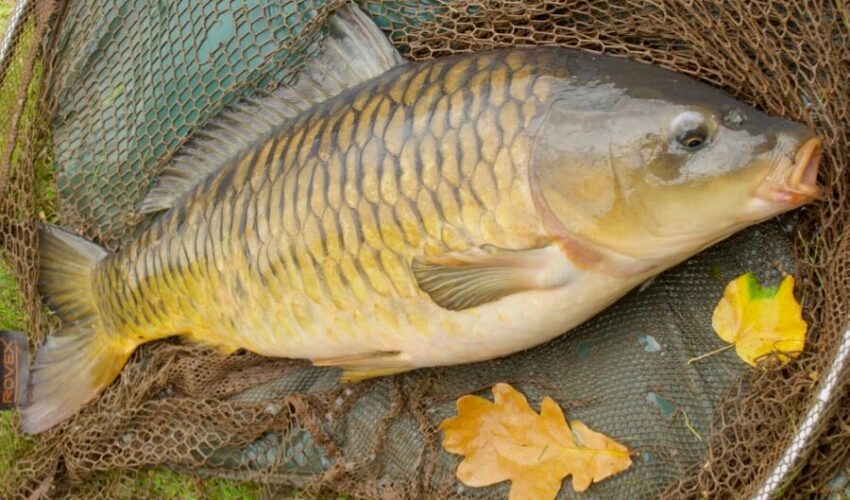
Top Tips for Successful Autumn Fishing
With cooler climes and falling leaves, autumn is a time of transition for fish and fisheries. It’s also a time of huge opportunity for the switched on angler! Fishing author and South West guide Dom Garnett has some top seasonal…
Wellie Boots made for fishing
Discover why Gumleaf’s UK-designed, European-made wellies are the ultimate choice for UK coarse and game anglers. Includes a 10% discount code below.
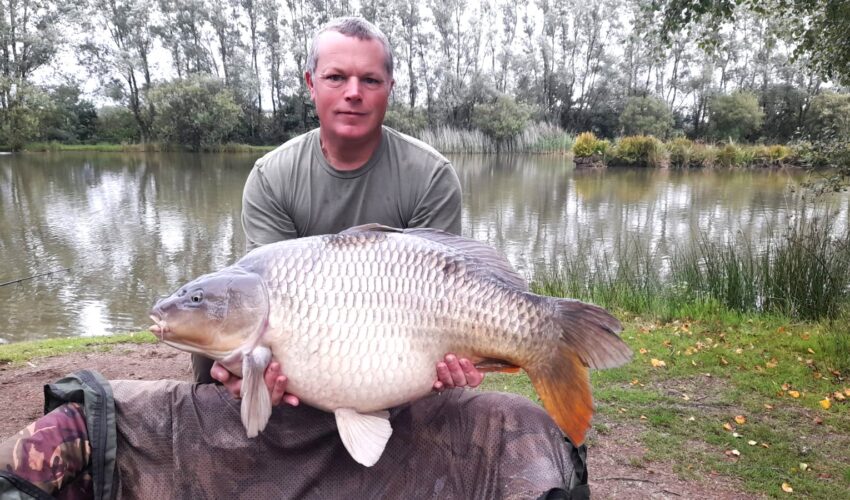
New Lake Record: Arnie Smashes the 40lb Barrier!
The magnificent fish, a common carp known as Arnie, tipped the scales at a staggering 41lb 10oz.Search by Region or County
Find new places to go fishing in your local area or county by choosing your destination below









Comments