Keep catching in winter: Fishing tips for bad weather!
Poor conditions don’t always mean poor fishing. Winter is always a testing time for the angler, but by thinking ahead and making smart choices there’s still every chance of bites and fish! Author and guide Dom Garnett is your guide to the not so bleak winter.
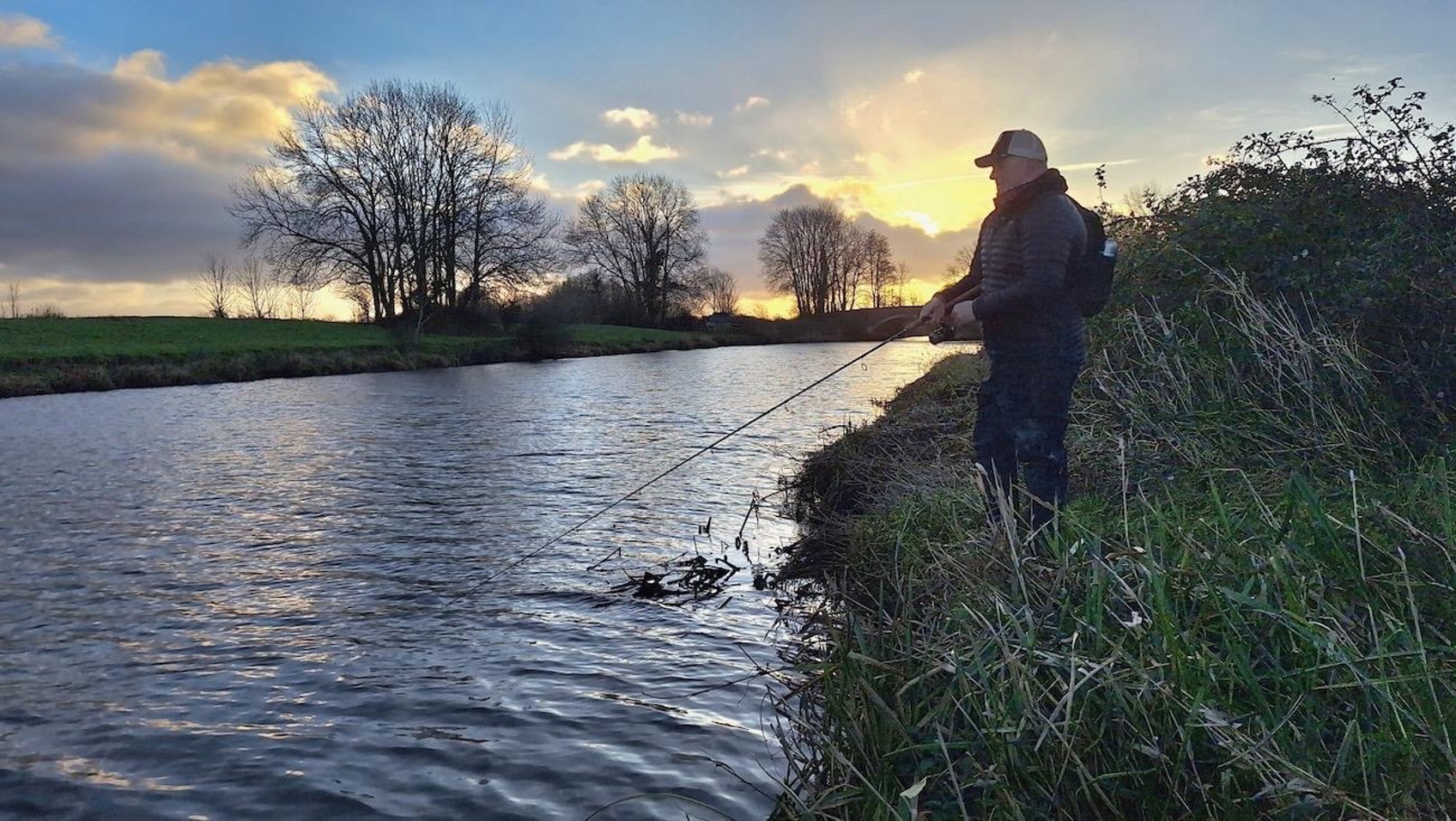
A chilly, windswept day, but still every chance of action!
For the keen angler, winter can be a sobering time. Rivers burst their banks, and lakes freeze over. The water is cold and the fish are less active. However, that needn’t mean no fishing or bites.
In a funny way, we can even enjoy the adversity that winter brings. Perhaps this is what makes it even more satisfying to catch? And I say this after hundreds of winter trips, from red letter days to gruelling blanks! Over time, though, you get a better picture of what to expect and what works, and drastically increase the odds. So where do we start?
1. Pick winter fishing venues with care!
Rule number one is to be realistic. There are probably places and types of fishing you love more than all the rest. But if the conditions are against you, you’ll struggle. There’s no point fly fishing or trotting a completely brown, high river, for instance. Hence, we should think about every trip carefully, not in terms of what we fancy, but what is most likely to work.
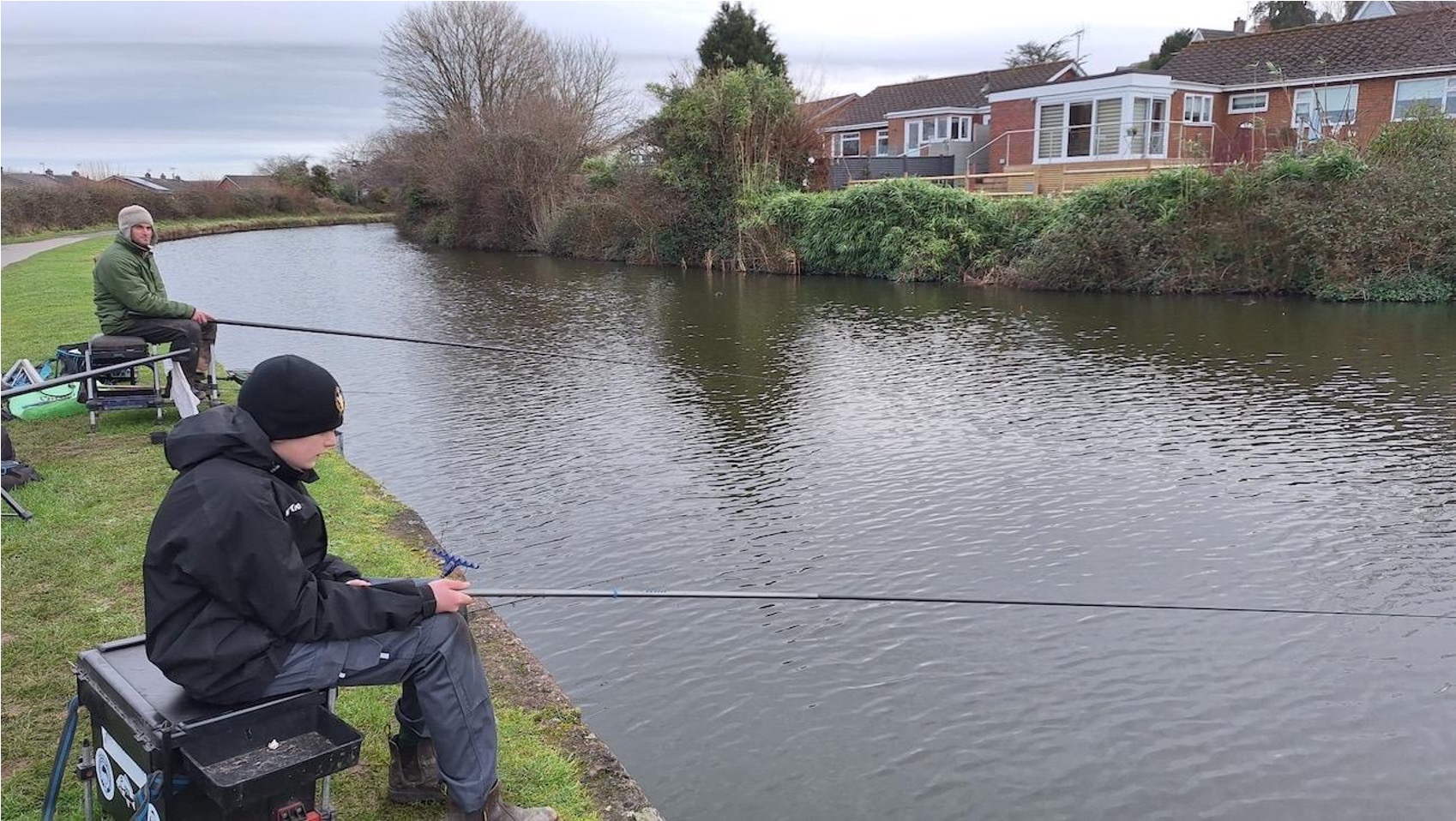
Canals and smaller stillwaters offer shelter and more settled conditions, if rivers are flooded.
This is hugely dependent on conditions, but certain venues are a godsend. For both coarse and fly fishing, smaller lakes offer a stable environment and good stocks of fish. Spring fed trout waters never close and seldom freeze over. Commercial coarse lakes also make sense, because you’re never far away from fish and bites.
Other favourites include canals, which tend to be sheltered and more consistent than dirty rivers. That said, slacks, flood channels and marinas can still be well worth a go on running waters.
2. Not all species are equal
As with venues, not all fish species are equal in the cold. Britain’s most popular fish, the carp, is a great example. They can be caught the cold, but venue choice is crucial, and it’s often sensible to focus on smaller lakes where bait regularly goes in.
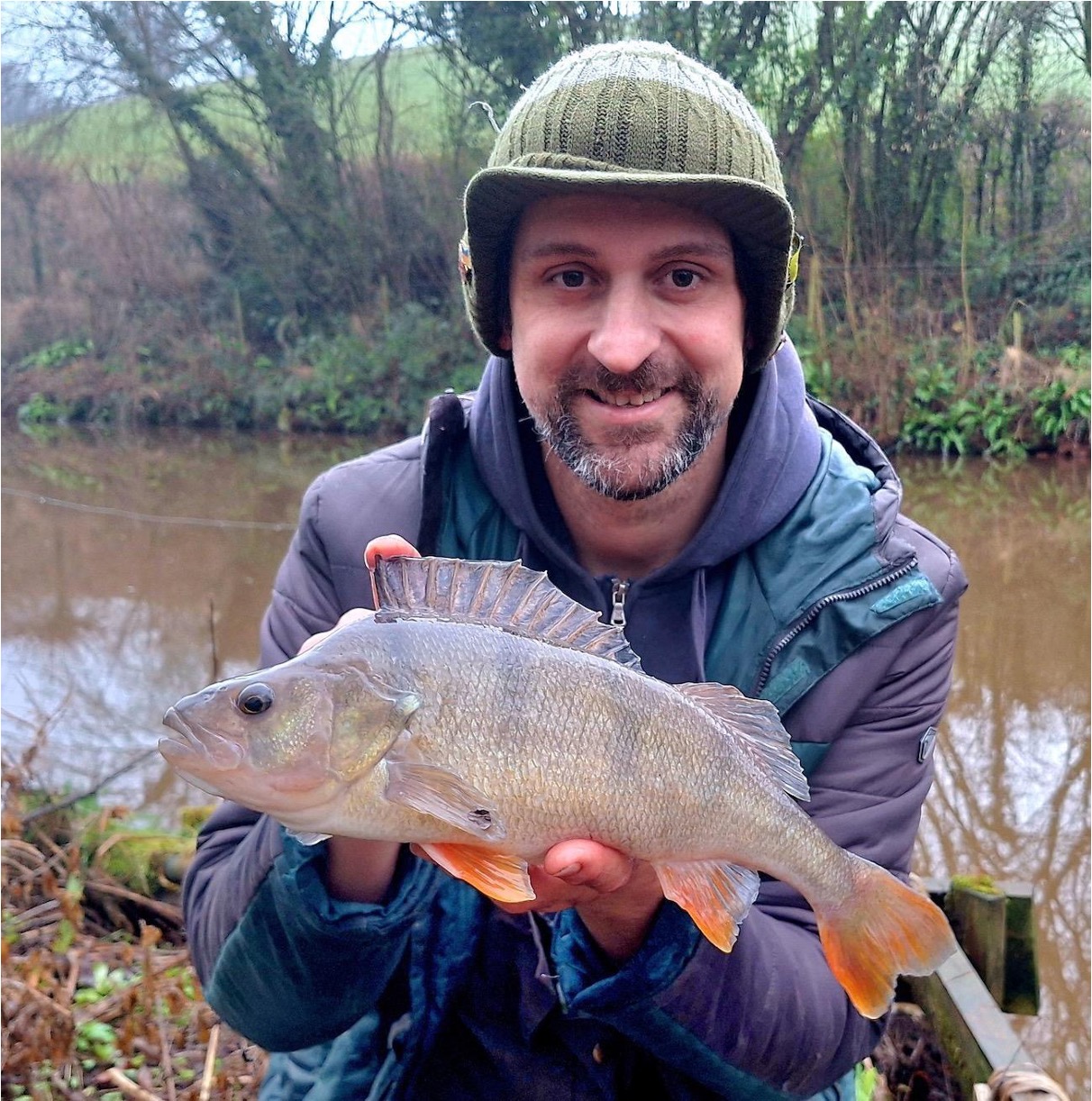
A nice perch on a dour day – these fish are a great target on small stillwaters.
As for the kings of cold weather, chub, grayling, perch and roach are all quite willing biters. So are pike and rainbow trout, which have a natural range way colder than anything the UK can threaten. Perch are another notable species- especially if you can hit that hotspot from late afternoon till dark.
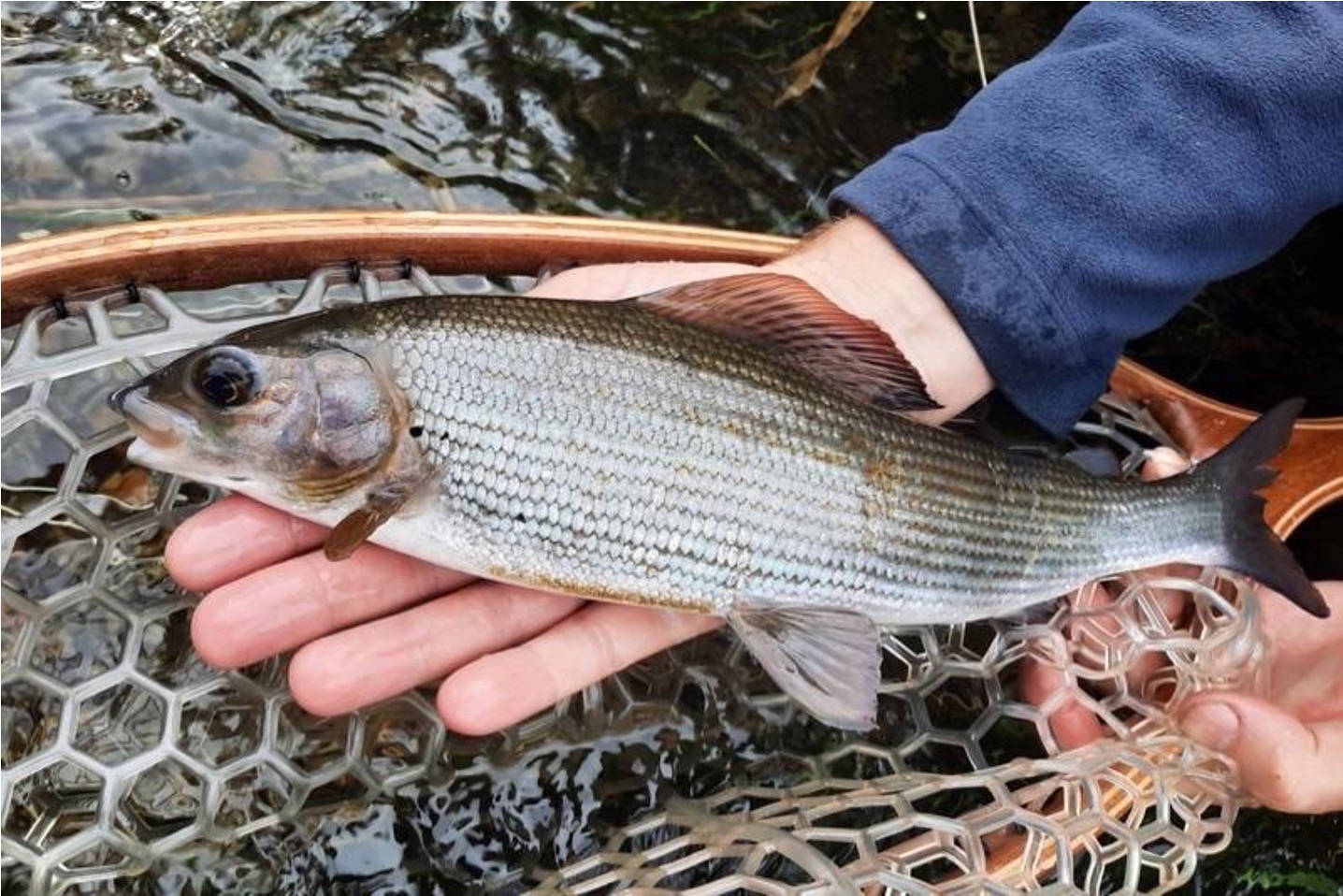
Grayling are another species that will tolerate the cold, keeping fly fishing on the menu right through winter.
It’s well worth doing some digging, too, before you set out. Whether it’s fishing mates, a fishery owner or catch reports of good sport, every little bit of intel will increase your chance of a successful day.
3. The best baits for winter fishing
Here’s a scary fact for you- we all know fish are cold blooded, but their metabolism is probably slower than you think. For every 10C difference in water temperature, fish can manage only roughly half as much food. In other words, when the water is 6C, the fish can only handle half as much bait as when it’s 16C.
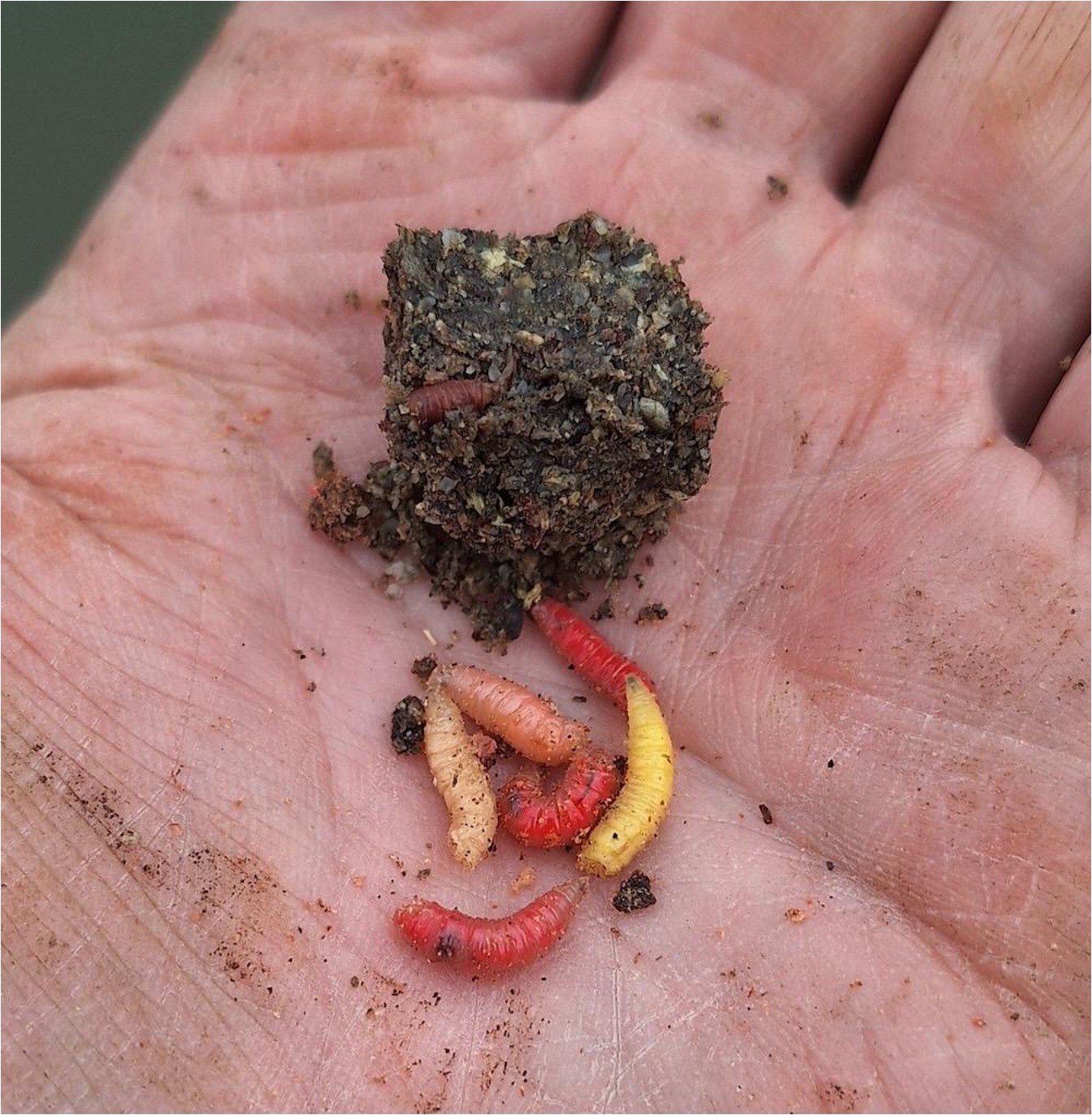
Keep loose feed little and accurate- and always pack some maggots!
The lesson from this is to feed with care. We still want to attract fish, but overdo things and it could quickly be game over. Small but potent helpings is a good rule for both hook baits and loose feed. Fishing for one bite at a time makes sense, because we can always step up if things work out, but we won’t kill the swim if it’s hard.
As for winter offerings, maggots fished on light tackle (right down to 3-4lb line and hooks to 18s and 20s) are the king for when you just want bites. Everything eats them and by trickling in small helpings, you can coax fish to feed even in icy conditions. However, bread also deserves a mention if your chosen water gets ice cold and clear, and carp love it as much as roach.
Flooded and dirty waters can call for smelly alternatives, however, to beat the murk. Worms are a natural choice in wet weather- they naturally end up in fisheries during a downpour and fish expect to find them. And when chopped they are a magical attractor!
For the big fish angler, it pays to fish a single, flavour rich bait such as a high leak boilie or piece of meat for barbel or carp. Pair this not with a bait assault, but just a feeder or small PVA bag of bait at a time and you won’t go far wrong.
4. Be patient – but also be prepared to move
One common spirit crusher with winter fishing is the common lapse between casting out and catching. It’s not unusual to wait an hour or more for the fish to come and settle, even with maggots and silver fish.
For this reason, it’s always good to note the time and be willing to wait. Not indefinitely- because you might still have to move swims or change things up. But you might give that “instant” summer swim at least an hour before thinking about moving on. Or you might need to search the swim if no early bites occur, often going out into deeper water until you hit some fish.
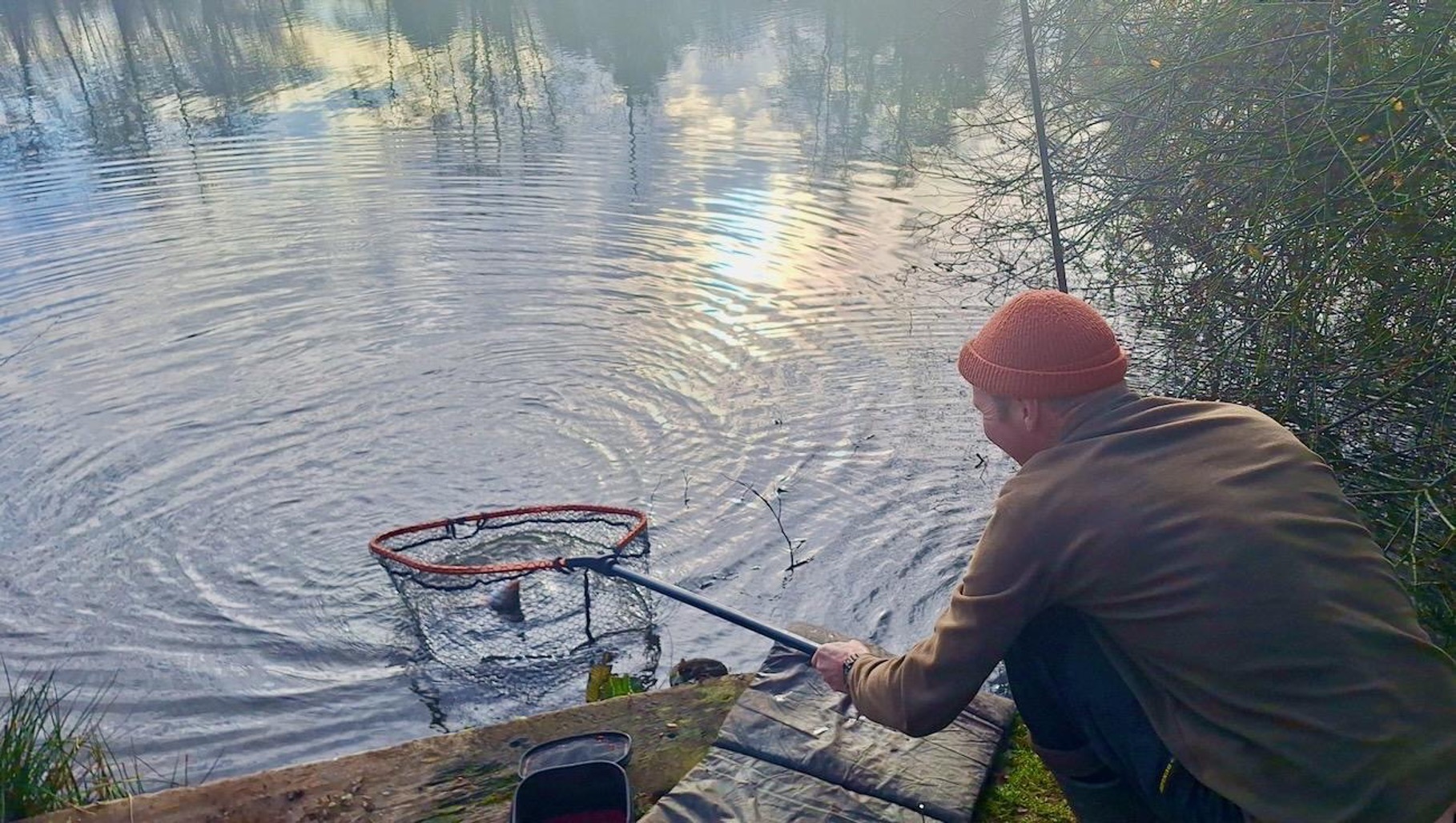
As the light starts to dip, very often the float does too!
With timing in general, feeding windows can be short and sharp. For this reason, it’s well worth experimenting and recording bite times. Modern phones are handy for this because in the “info” for every fish picture, you can look at any past catch and see exactly when it was landed!
A common pattern for much of winter is that you are better off starting and finishing later. In summer and autumn, an early start can be magic. After a cold night in February, however, this isn’t the case, with late afternoon and just on dark very often the key period. Or to put it another way, perhaps have that extra coffee and wrap up warm rather than racing to the bank. That way you’ll be comfortable and focussed when the fish arrive, rather than having a cold, dispiriting dawn!
5. Finicky predators
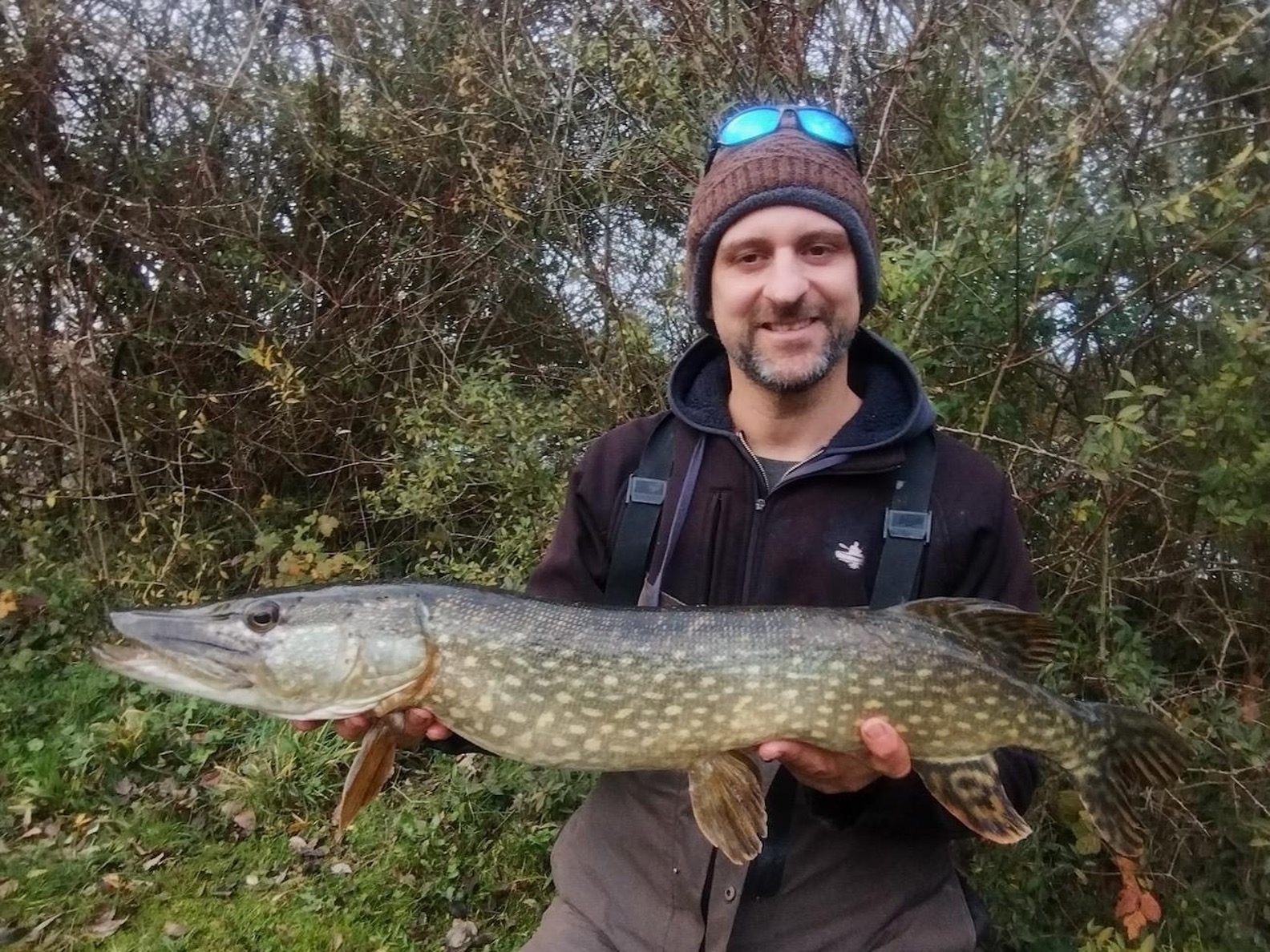
This pike took a popped up deadbait, just after it had been twitched along the bottom.
Predatory fish like pike, perch and zander are all popular winter targets, but they can be moody during cycles of poor or erratic weather. If you enjoy lure fishing, the key is often in slowing right down and searching likely areas thoroughly and patiently.
With soft lures and jigs, try counting the lure right to the bottom and moving it slowly with lively flicks of the rod and longer than usual pauses. Leaving the lure static for up to ten seconds or more at a time might be needed if the fish are hard on the bottom and not actively hunting.
For bait fishing, it’s worth trying every trick in the book to get that run from a fish that isn’t willing to move far. If the water you’re fishing isn’t too weedy, it’s worth occasionally moving the bait just a turn or two of the reel handle. Quite often, pike especially will find the bait but be in no hurry to gobble it up- but a touch of movement seals the deal. Before you move swims or pack up, I always first move the bait a yard or so and give it an extra minute or five!
If the chips are really down and the water is muddy, little beats a smelly bait- and this is one time I will often use groundbait or even inject additives. It can be combination of mobility and persistence, but if the temperature is low, each spot tends to need at least an hour. If you are a bit of a fidget, another good combination is to use two rods, leaving one static and casting the other more regularly.
6. Understand weather patterns and their impact on fish and fishing
There are times when we only have a few hours in the week to fish. The conditions then choose us! But if you have some freedom of choice, you can pick your time to fish wisely and improve the odds. Either way, some understanding of conditions and fish behaviour will help.
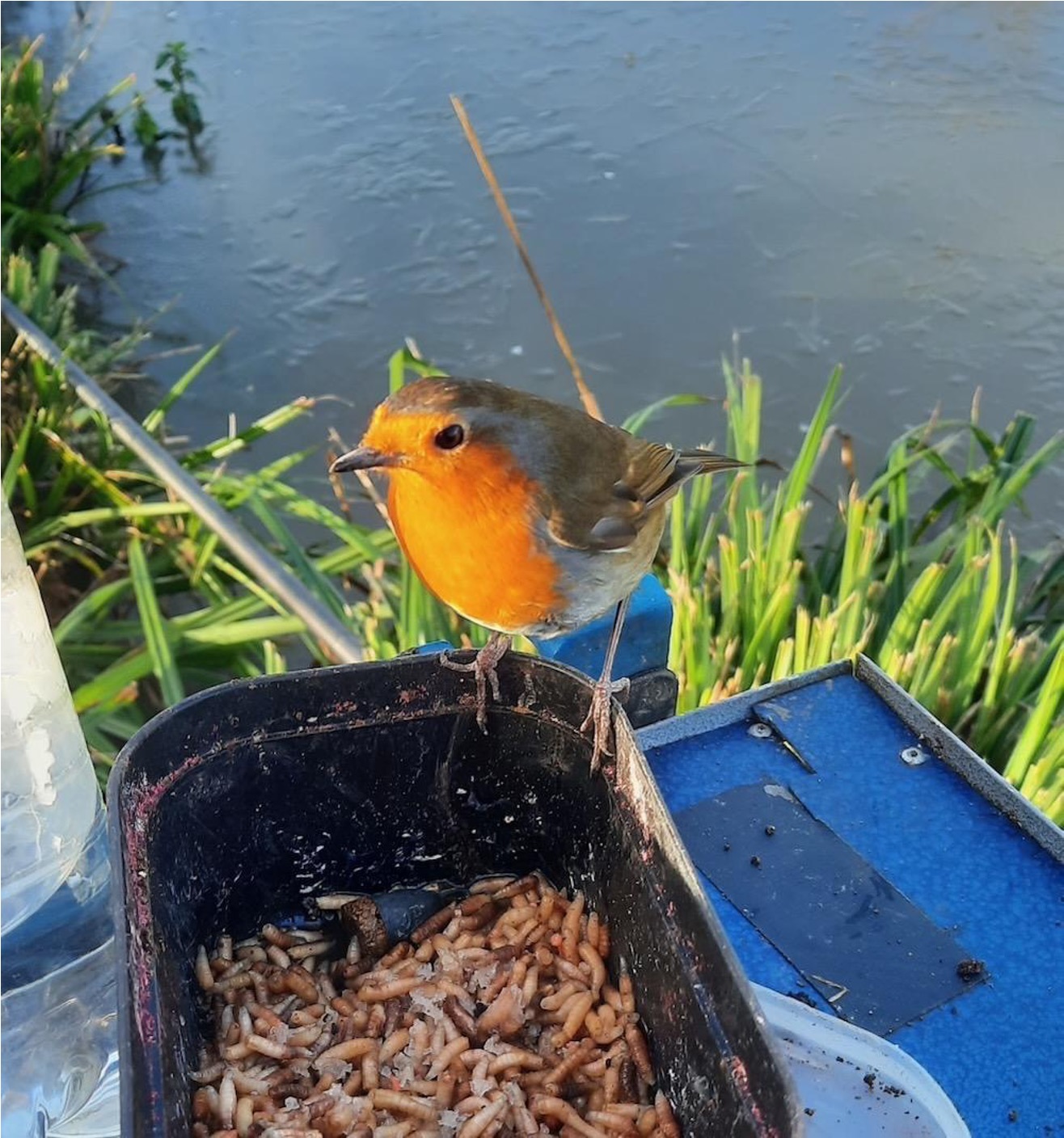
Generally, we want to see steady conditions. A period of several cold or wet days isn’t necessarily a bad thing, if the conditions stay quite stable. A sudden plummet in temperature or overnight influx of heavy rain will have an unsettling effect, however!
Heavy rain is often a headache for the winter angler, and something we cannot control. However, on most rivers, a great time to fish is just as the river fines down after flood. With visibility suddenly restored, the fish will often be hungry and active after a few tough days.
Last but not least, it really is worth staying tuned to weather and river apps, and keeping a diary. Patterns tend to repeat, and over time you can get a much better feel for which venues and tactics work in any given conditions. You certainly won’t catch the fish sitting at home, so be proactive and get out there.

Similar articles
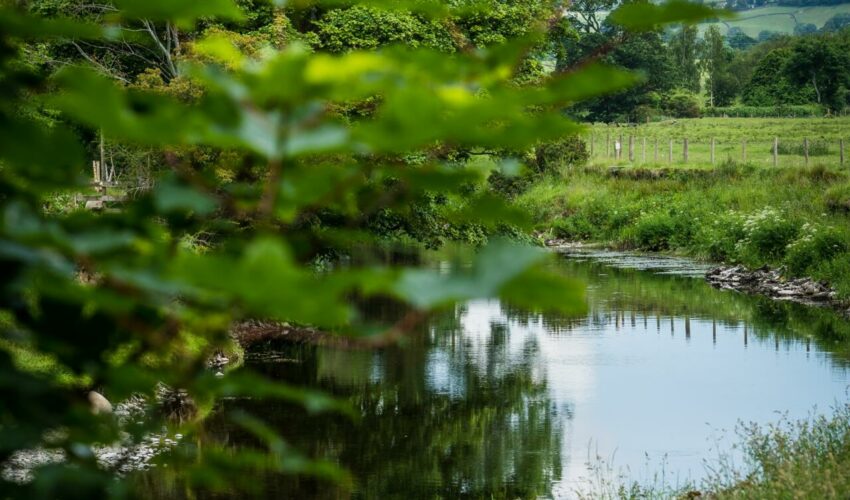
Love fishing & looking for work?
Are you passionate about fishing and a skilled writer? We’re looking for a freelance Content Writer to create engaging, angling-focused articles that inform, entertain, and inspire our audience.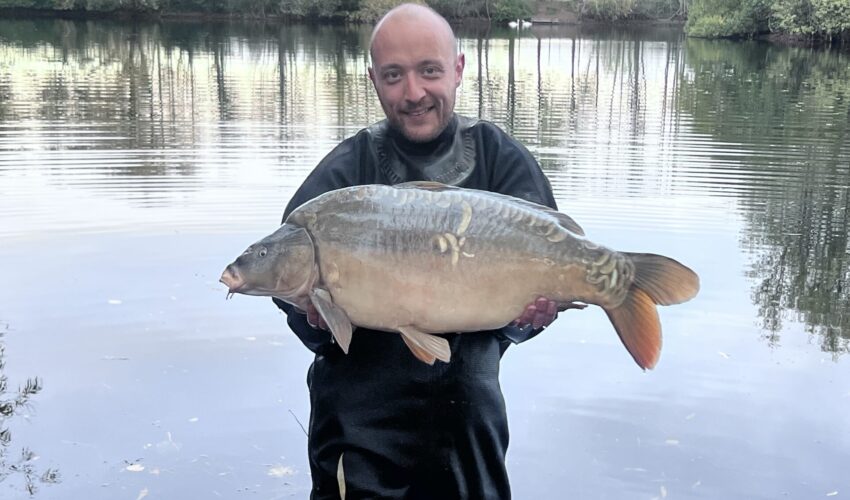
Big carp arrive at The Folly Main Lake!
There’s even more to get excited about at The Folly Main Lake this autumn, with the introduction of ten stunning Old English carp, each weighing between 20lb and 25lb. These impressive new fish are set to bring fresh challenges and…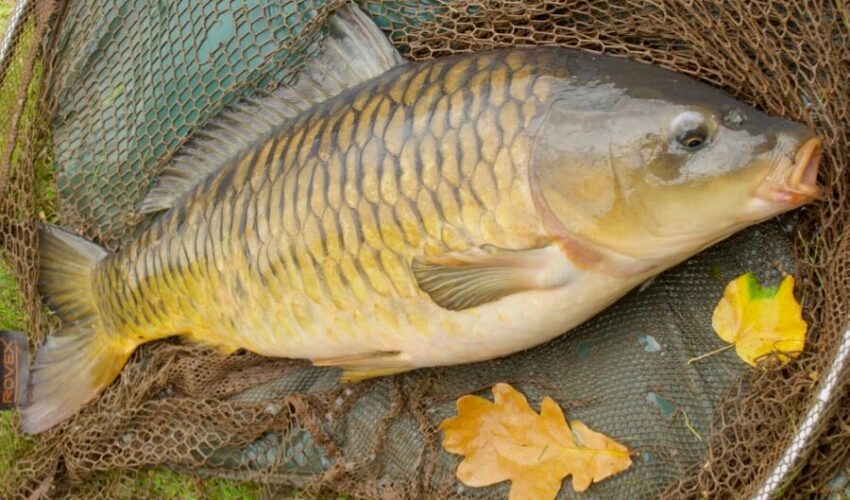
Top Tips for Successful Autumn Fishing
With cooler climes and falling leaves, autumn is a time of transition for fish and fisheries. It’s also a time of huge opportunity for the switched on angler! Fishing author and South West guide Dom Garnett has some top seasonal…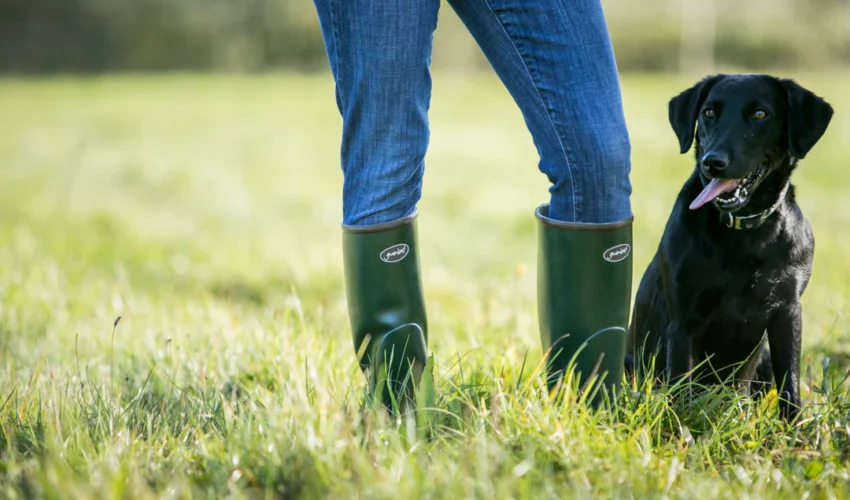
Wellie Boots made for fishing
Discover why Gumleaf’s UK-designed, European-made wellies are the ultimate choice for UK coarse and game anglers. Includes a 10% discount code below.
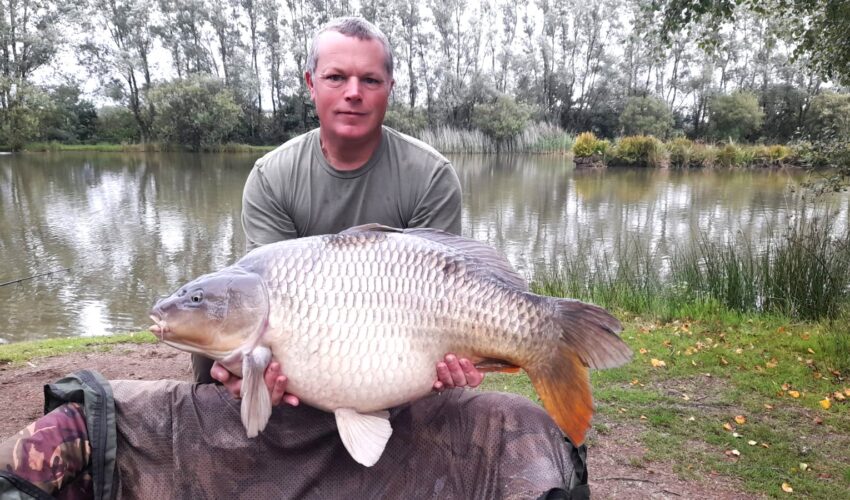
New Lake Record: Arnie Smashes the 40lb Barrier!
The magnificent fish, a common carp known as Arnie, tipped the scales at a staggering 41lb 10oz.
14 Day Ticket Fisheries to Explore in Buckinghamshire
Discover the best day ticket fisheries in Buckinghamshire. From specimen carp to big perch, this in-depth guide offers essential venue details for anglers of all abilities.
A Summer Update from Spring Rock Fishery
In the heart of the Welsh countryside, where the rolling hills meet the tranquil waters, something special is happening at Spring Rock Fishery
Council Rejects Massive Chicken Farm on River Kennet Floodplain
A victory for anglers and fishing In a victory for environmental groups and local residents, West Berkshire Council has rejected a planning application by the Sutton’s Estate to build a large-scale poultry farm in the floodplain of the River Kennet. …
Open Matches return to Birch House Lakes!
Great news for anglers – as well as regular club matches, Open Matches are now running again at Birch House Lakes! Perfect if you’re not part of a club but still want to take part in a fun, competitive day’s…Search by Region or County
Find new places to go fishing in your local area or county by choosing your destination below









Comments