Find places to go fishing
Where do you want to go?
Latest Fisheries
Fishing News
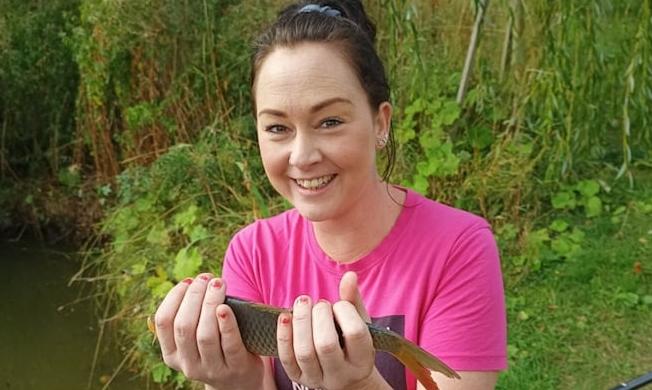
Angling Trust survey – the benefits of going fishing
In support of the current ‘Stress Awareness Month’, the Angling Trust is asking anglers to take a brief survey to highlight the benefits of going fishing. The survey closes on Sunday at midnight.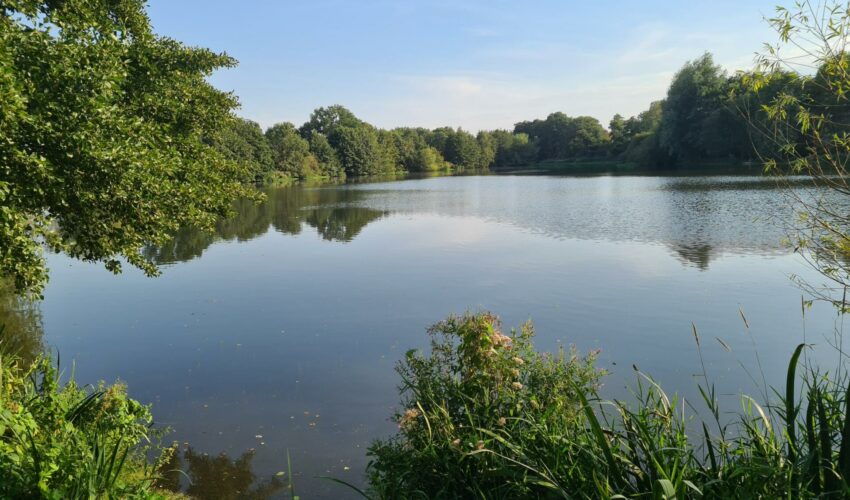
Our guide to fishing this spring (2024)
With the worst of the weather over (we hope!) and with spring finally here, it’s time to clean out that tackle box and get on the bank for some spring time fishing.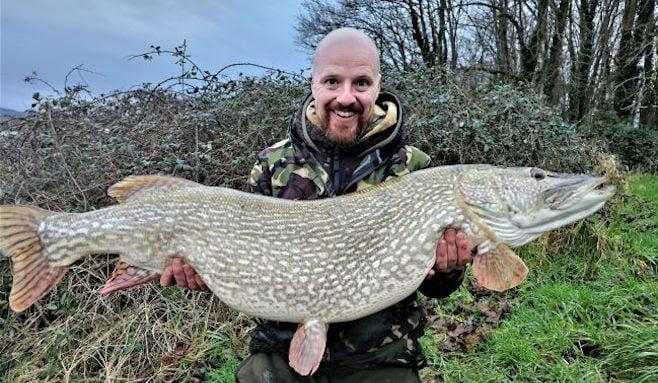
Chew Valley pike is new record
A 47lb 5oz pike taken by Chew Valley Lake angler Lloyd Watson on February 13 has been awarded the new record for a British rod caught pike.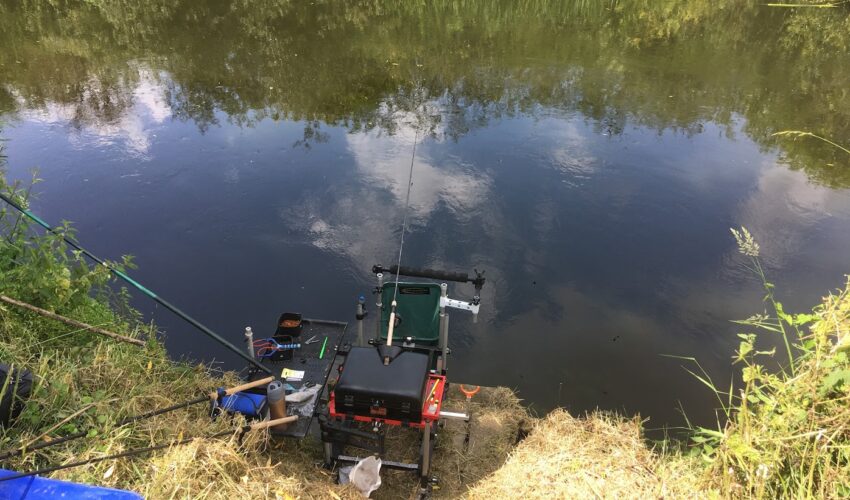
Guide to buying second hand fishing tackle
This seasonal cold and wet weather can cause many of us to stay at home rather than go fishing, but the yearning within to do something fishy can often be satisfied by buying more kit.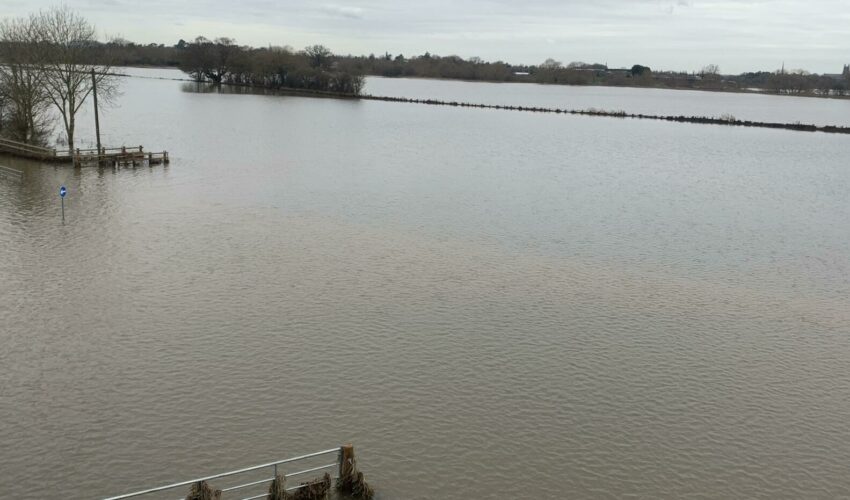
What happens to fish in severe floods?
The recent extreme floods will have led many anglers to wonder what lasting effects such dramatic events have on fish. Fishery Management Consultant Dr Bruno Broughton explains what goes on.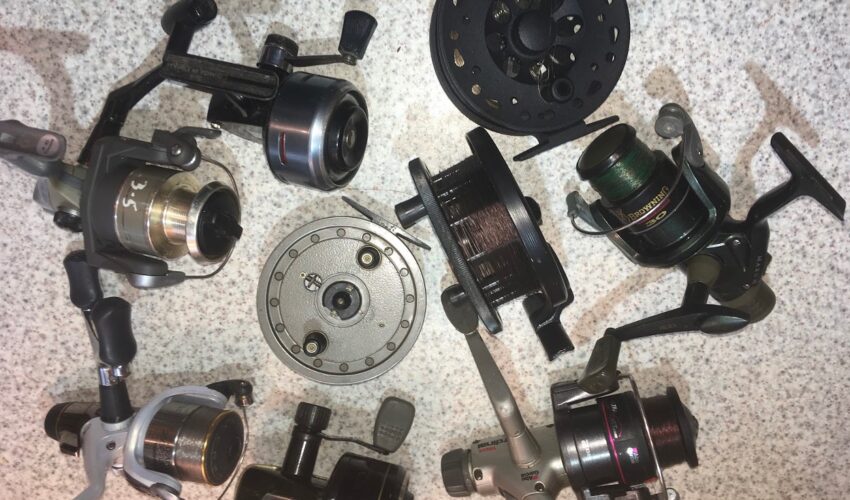
Coarse fishing reels explained
If you’re new to fishing or just thinking about purchasing a new fishing reel, Chris Smith delves into the detail about his coarse fishing reels and explains the benefits and features of the different types.
Join the fishing revolution
Whether you’re just starting out, or an angling veteran, we want you to enjoy fishing at its best. Join thousands of other anglers who simply love finding new places to go fishing.
- Free Email newsletter
- Save your favourite fisheries and holidays
- Share your saved venues with friends
- Post comments and join in discussions
- Useful articles, hints, tips and reviews
We visited Milton Pools for a weekend and stayed in the lodge – It was a great weekend and we all caught really well. The lodges were really clean and even my wife said it was a great weekend!”
Sam AshtonWe visited Alcott Farm and I fished peg no.44. I had to pack up at 4pm because my arm ached so much. I just didn’t stop catching all day, it was the best fishing I’ve had for 10 years.”
John PettertonI took my 12-year-old son to Oakam Farm near Wellesbourne. We fished Oakwood Pool and my son had about 20 carp at around the 3-5lb mark. It was a great introduction to fishing for him!
Simon TansbrookHad my personal best tench at Betchott Lake yesterday. 8lb 14oz. It was a whopper. In perfect condition and took me 20 minutes to land. Chuffed to bits. This is a great venue for Tench.”
Mike PrestonWe fished the far side of the big pool and after about an hour we were in. Fish after fish, 36 carp in all and 7 bream. We’ll definitely be back for another session.
Graham TimpsonSearch by Region or County
Find new places to go fishing in your local area or county by choosing your destination below
Fishery or venue owner?
We can help promote your venue
For the last 20 years we’ve helped millions of anglers and their families find the best places to escape and enjoy fishing in the UK. Voted by the Sunday Times as the best Angling website, we help fishery and fishing holiday venues get seen, driving visibility, enquiries, bookings helping get more anglers on the bank, and supporting your business. With a number of marketing and promotion packages available, why not explore how we can help you today?
Advertise
Reach an engaged audience
If you’d like to get your business noticed by Millions of Anglers in the UK why not get in touch about our advertising and sponsorship opportunities.