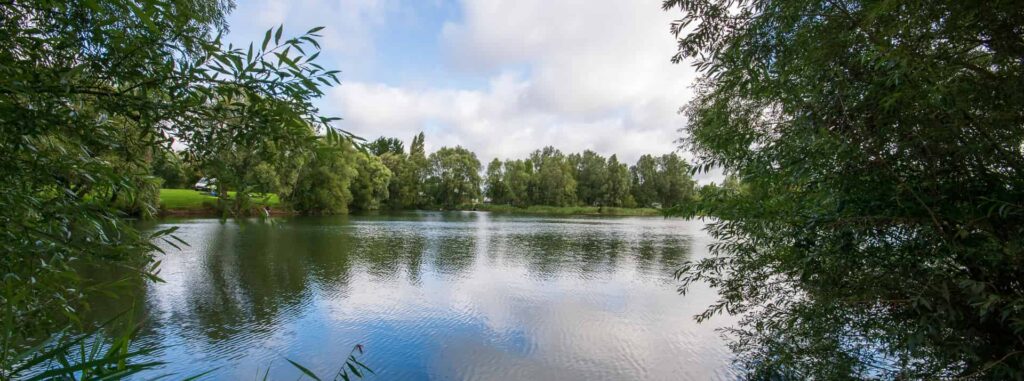
Bluebell Lakes
One of the UK’s top big carp waters just a short drive from the Northamptonshire village of Oundle.
Key facts about Bluebell Lakes
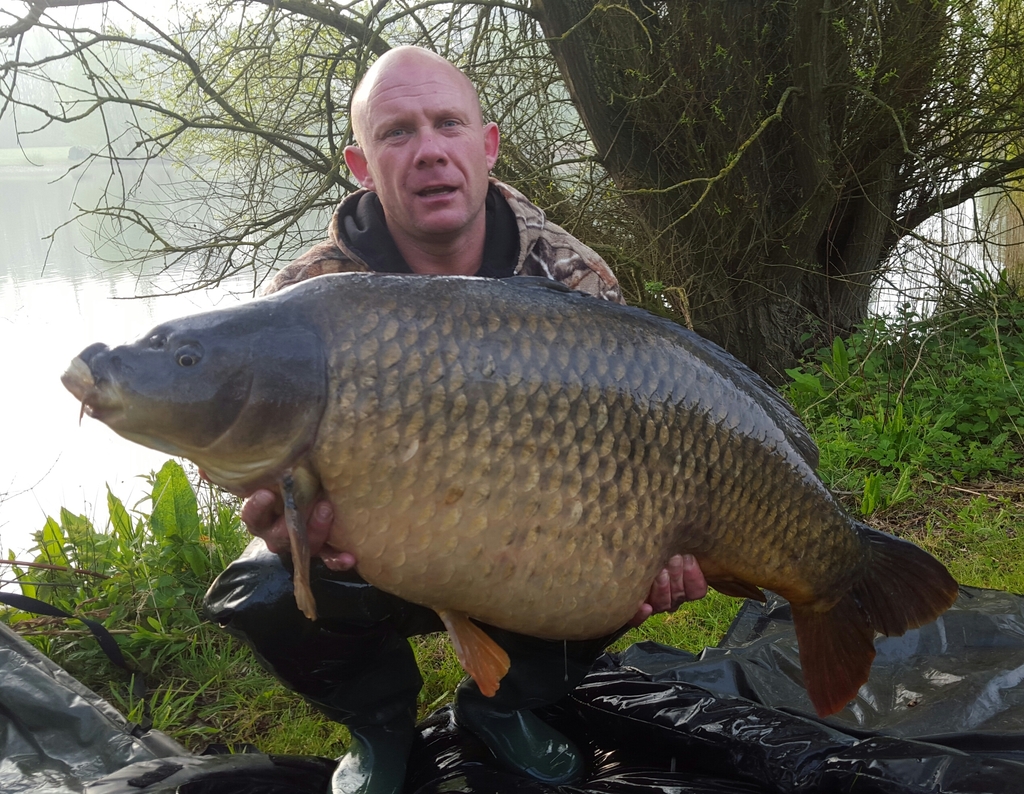
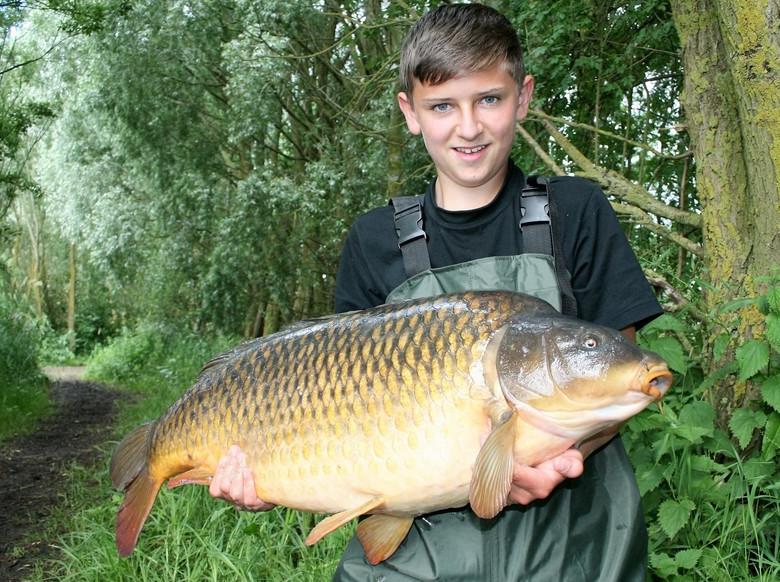
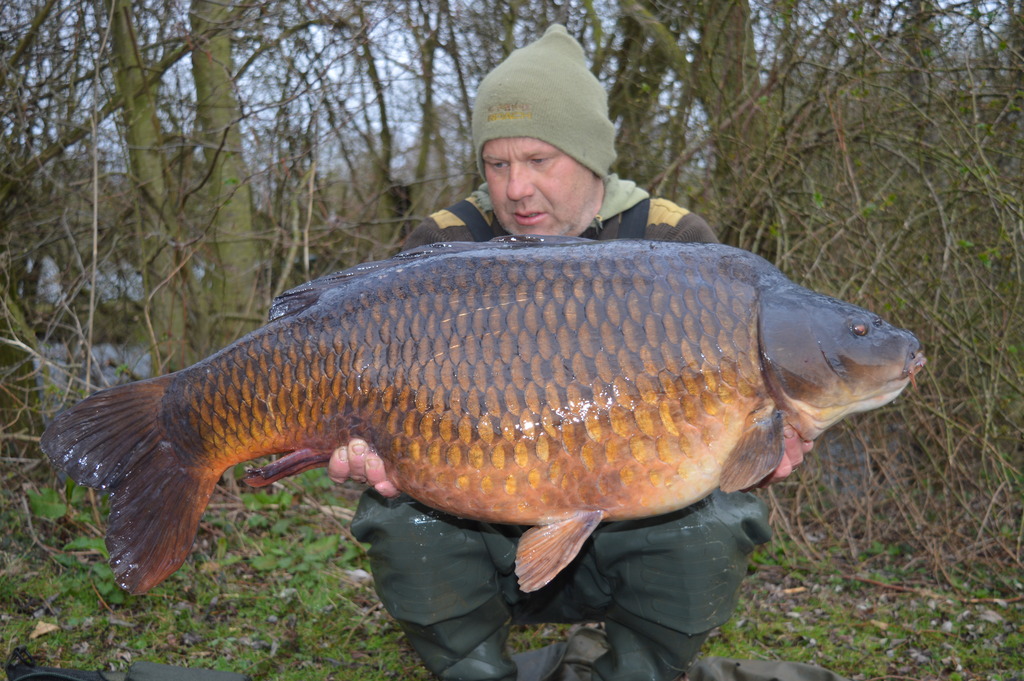
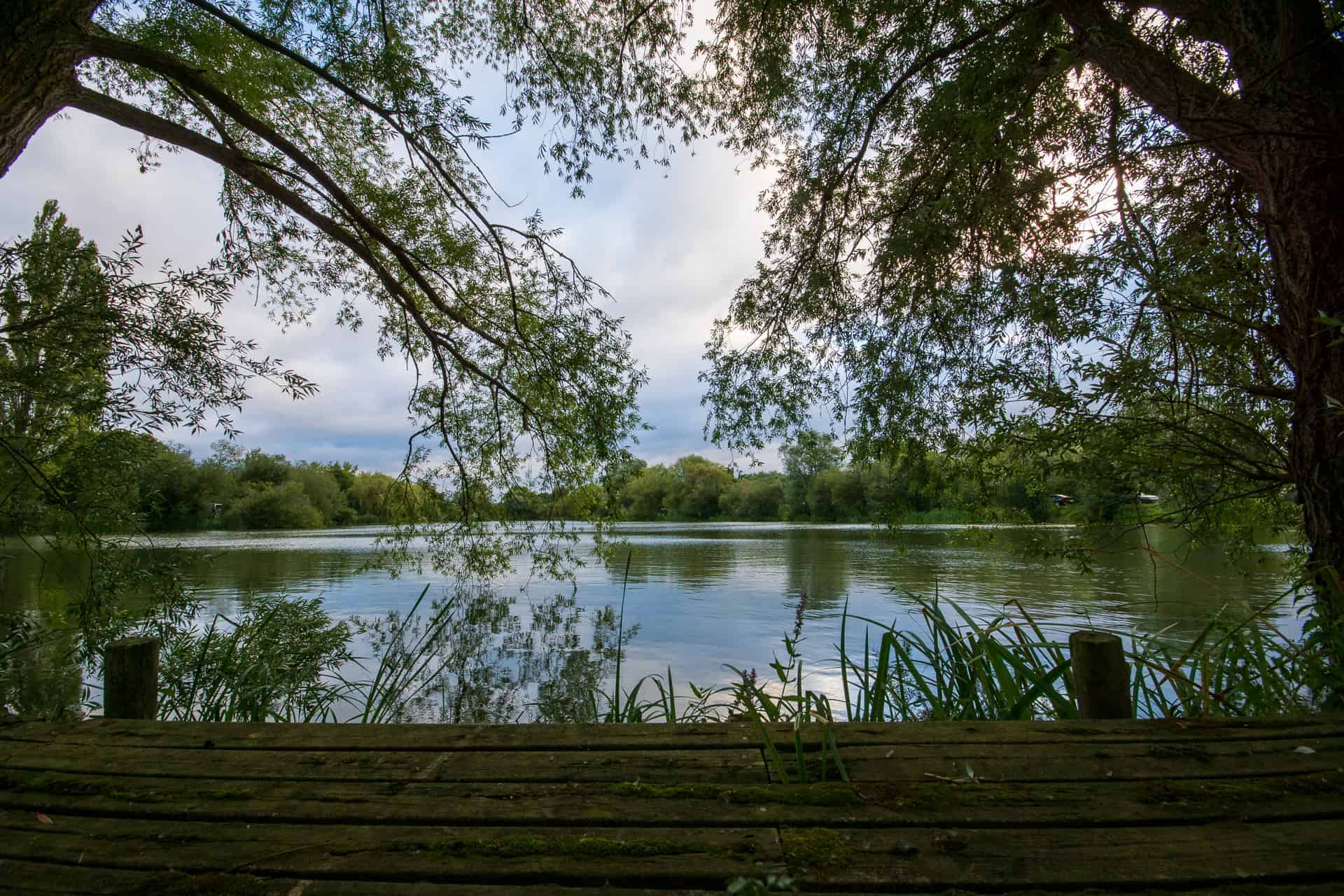
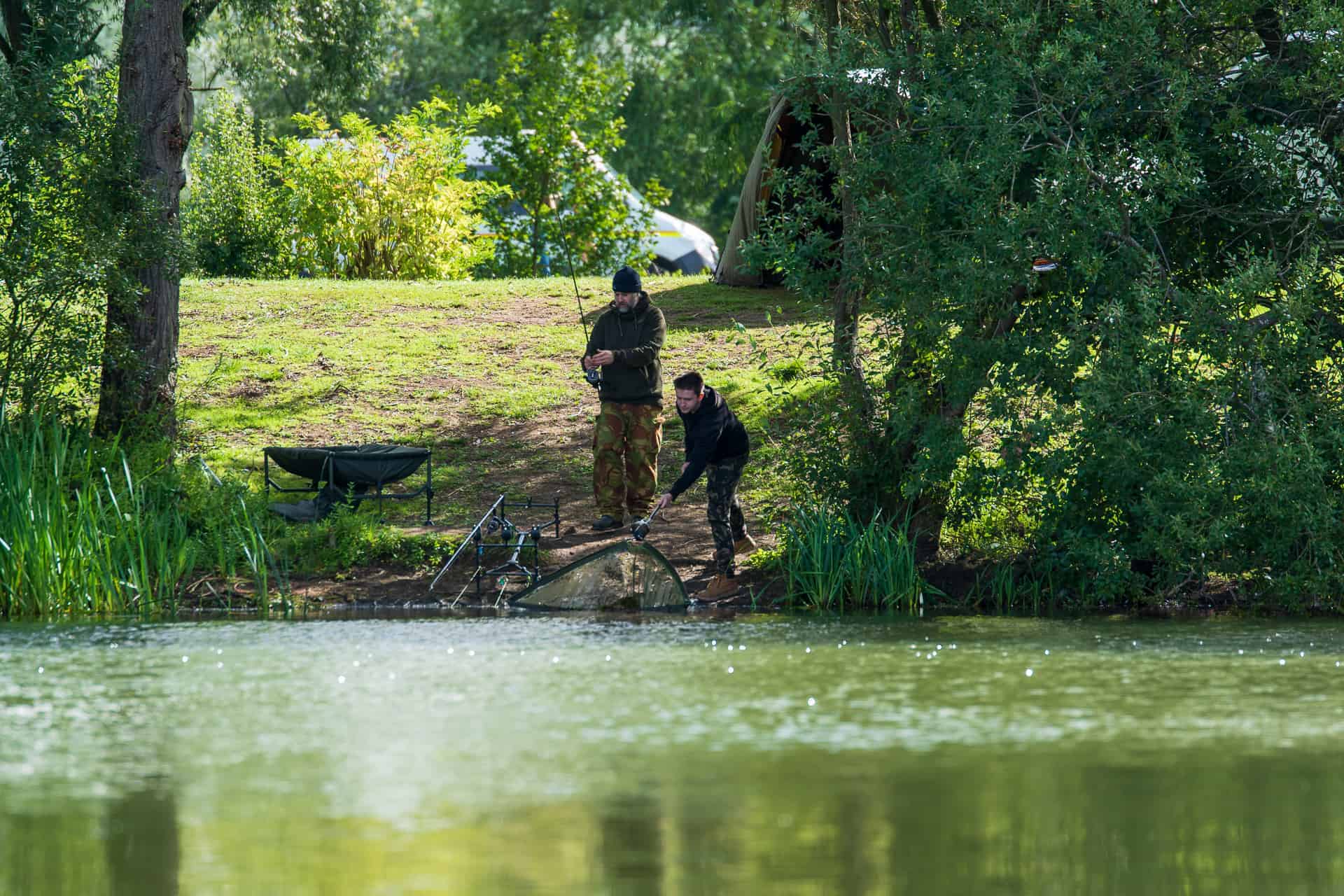
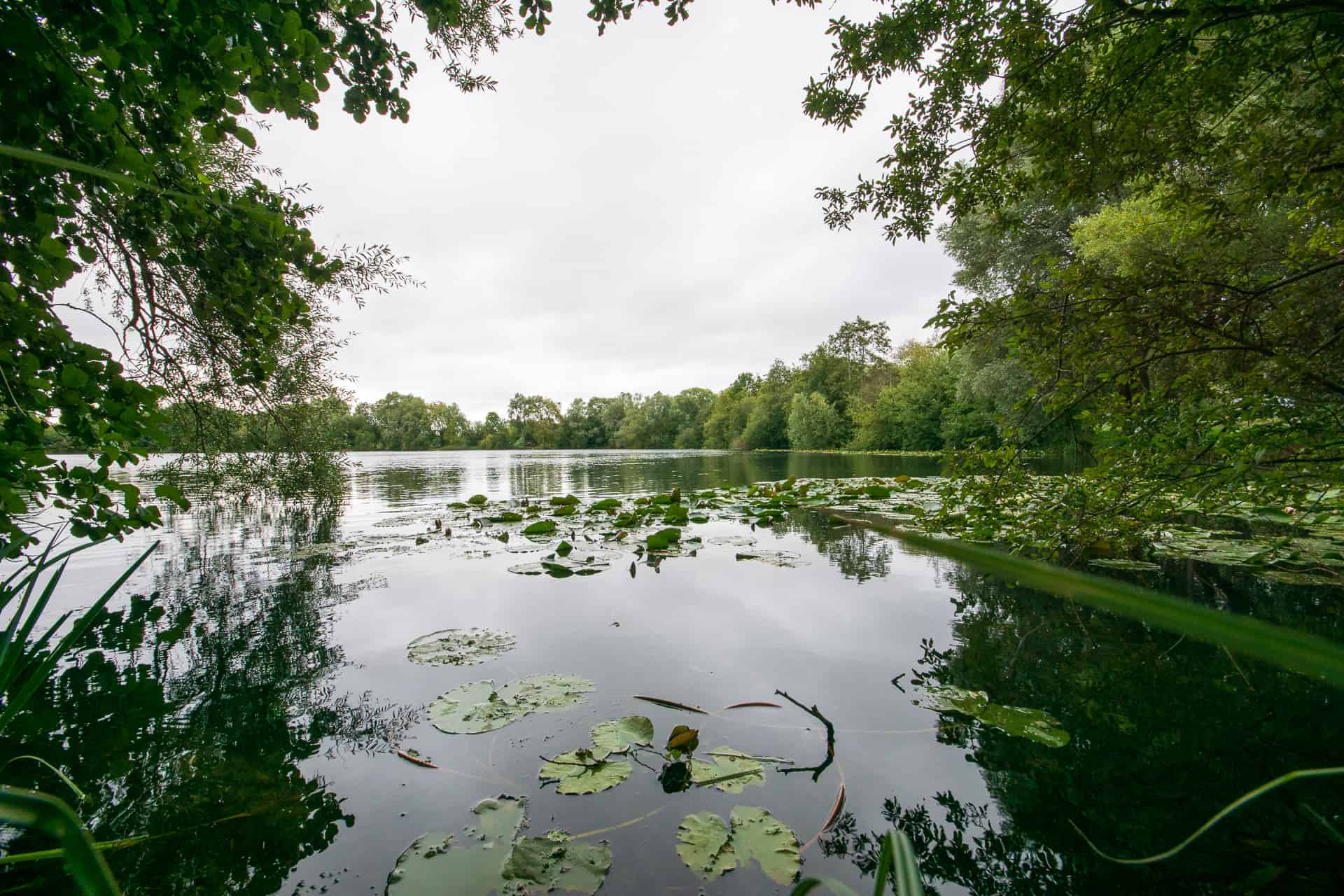
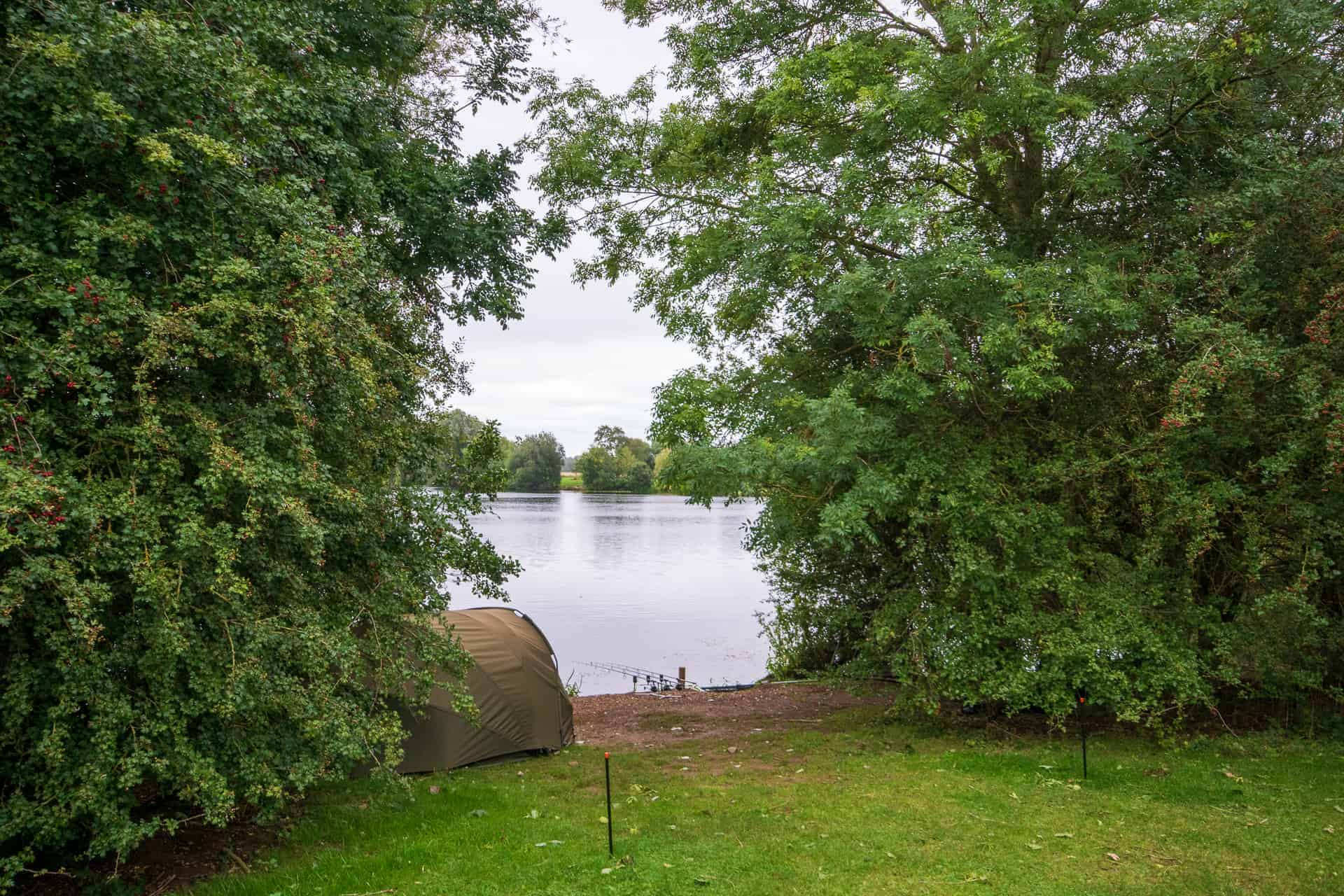
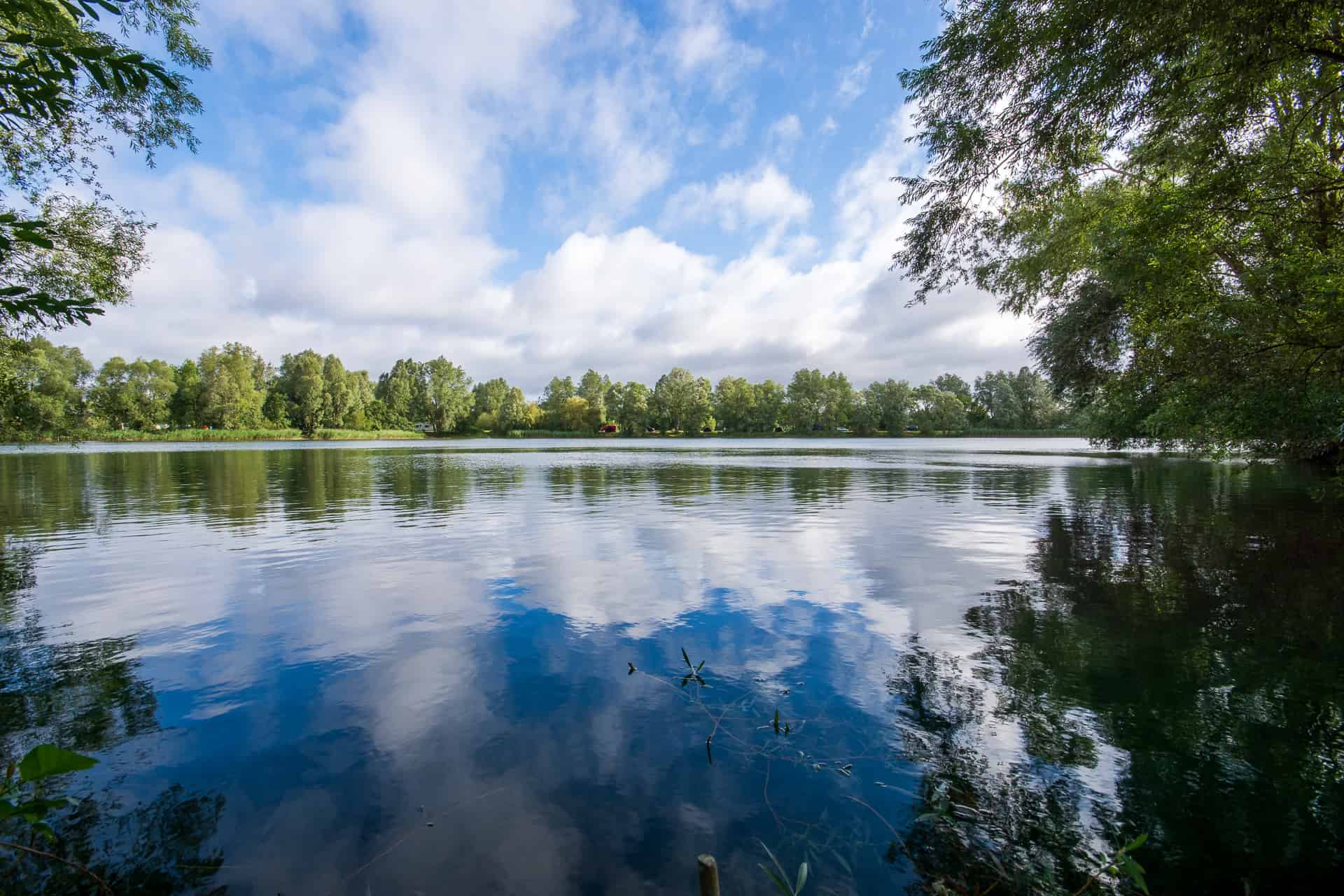
To be found in the countryside a short drive from the Northamptonshire village of Oundle not far from the main A14, Bluebell Lakes offers specimen, pleasure and competition angling on five lakes and a two mile stretch of the River Nene in surroundings which vary from tree clad lakes to open gravel pits and a grass-banked river.
Huge specimen fish
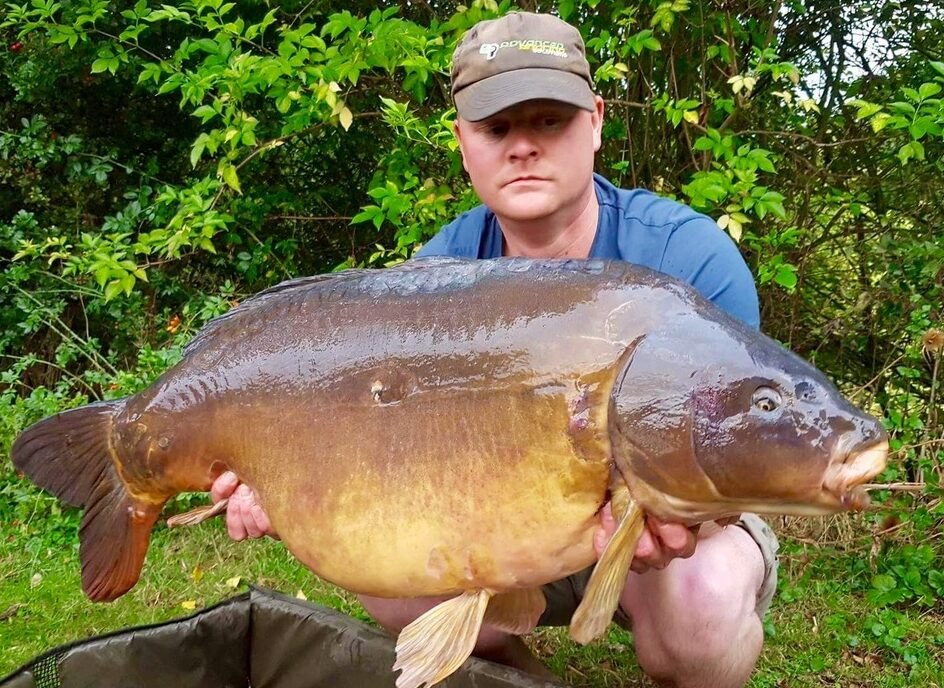
Until recently home to two 60lb-plus carp – ‘Benson’ and ‘The Creature’ – Bluebell Lakes is still one of the UK’s most prolific big carp waters with several fish being caught to over 50lbs. It is also home to some massive catfish which run to 110lbs including an 84lb specimen. In addition to its big carp and cats, Bluebell Lakes also holds some superb double figure bream which have been caught to over 18lbs, tench to over 14lbs, chub to just over 9lbs and perch to over 4lbs.
The venue also holds some big pike with the venue record currently standing at 41lbs 12oz – a beautiful fish taken by predator angler Colin Bailey from Kingfisher Lake. In addition, even the river produces monster fish with carp over 30lbs, perch to 3lbs, eels over 7lbs, roach to 2lbs and tench to 10lbs plus.
Despite its reputation for specimen fish, Bluebell Lakes is also a great pleasure angler’s fishery. You don’t have to become one of the Bivvie Brigade to enjoy good catches and plenty of action in attractive surroundings with all lakes providing great opportunities for anglers of all ages and abilities.
On-site tackle shop and facilities
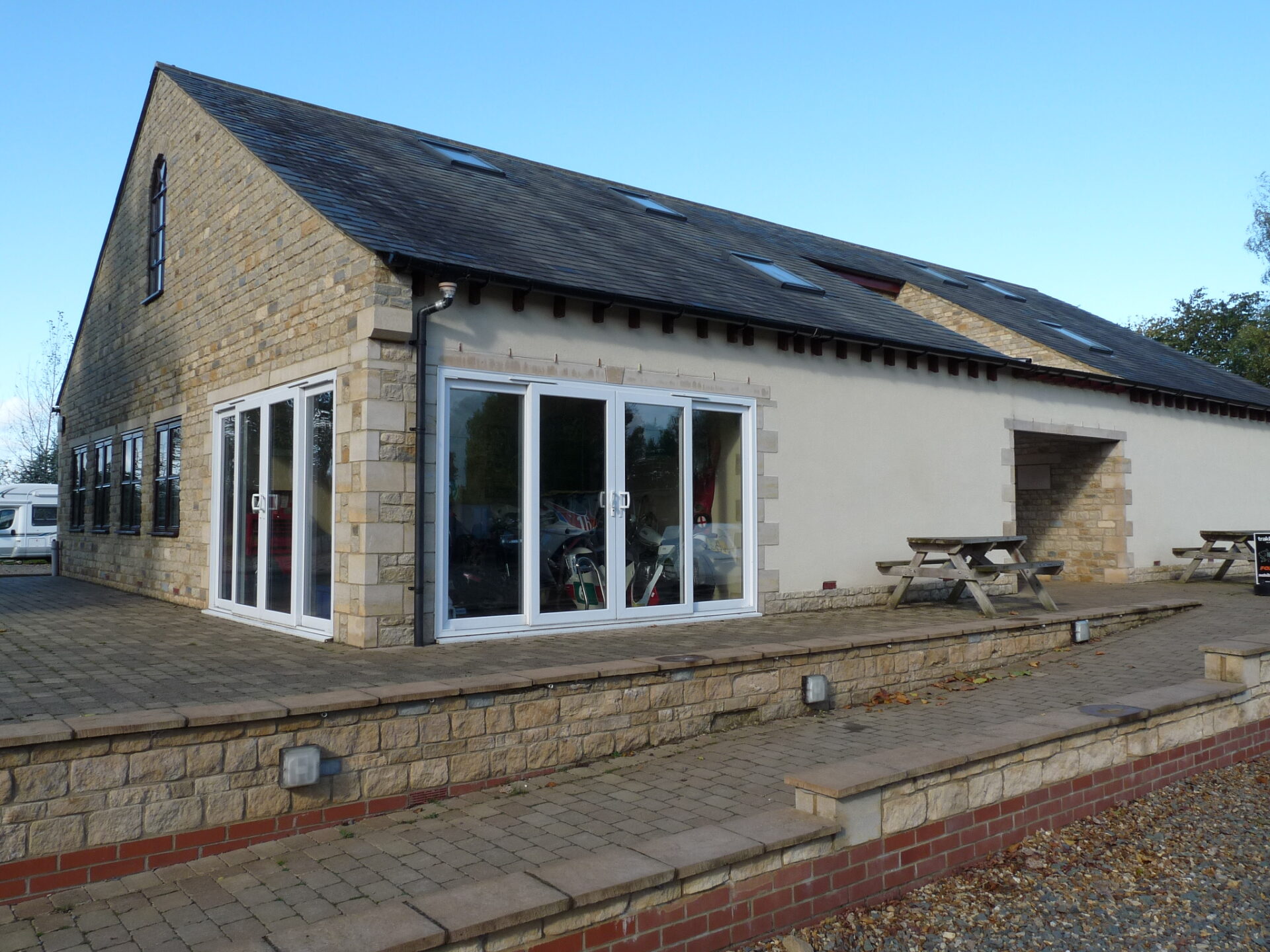
Car park access is available near all the waters and there is a new reception, office and tackle shop on site (left) which also incorporates smart new modern ladies, gents and disabled toilets. The shop sells an increasing selection of tackle by Nash, Korda, Trakker, ESP, Fox, Gardner and Ridge Monkey as well as boilies, pellets, groundbait, dips and tinned hookbaits and the fishery’s own range of carp baits and Mainline Cell freezer baits. The shop also holds a decent stock of carp rods as well as match and spinning rods by various manufacturers and a selection of bivvies, luggage, bedchairs, bait buckets and other accessories by Nash, TF Gear, Fox, Trakker and other manufacturers.
With plenty of car parking space and anglers allowed to drive their vehicles to the pegs on the far side of Mallard Lake when the ground is hard, Bluebell Lakes offers anglers the chance to catch a fish of a lifetime in beautiful surroundings with loads of room between pegs and helpful staff who are always on hand to share the latest information on how to catch and where.
Opening times
April1 to September 30: 7.00 until 8.00pm
October 1 to March 31: 8.00am until dusk
A flyover of Bluebell Lakes
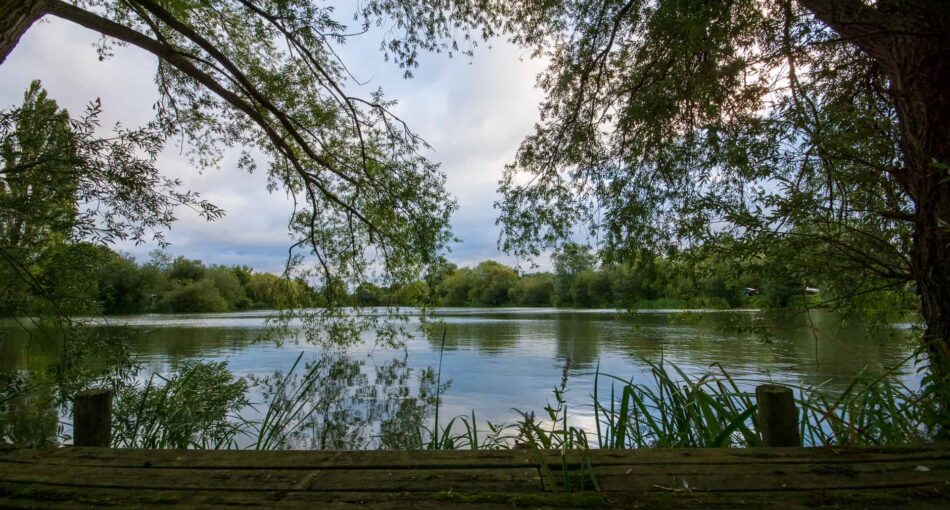
Bluebell Lake
Ideal starting lake
Anglers who have never visited the fishery before are advised to start on Bluebell Lake or one of the other waters rather than head straight for Kingfisher.
Regarded by regulars as the easiest of the waters, Bluebell is a general pleasure, match and specimen water which offers the best of all worlds and is suitable for anglers of all ages and abilities whether novice or expert. Indeed, in 2012 it threw up many bags of big bream, several over 100lbs, which were taken on swimfeeder and included individual fish which averaged about 8lbs as well as lots of double figure specimens.
Huge range of differently sized fish
The fish range enormously in size, although these days there are fewer smaller fish in the lake than there used to be. These include common carp averaging between 16lbs and 33lbs with a good head of 20s, mirrors to 30lbs-plus, bream to 14lbs, tench over 10lbs, perch to 4lbs, crucian carp to 4lbs with some believed to be of record size, roach to 2lbs and eels to 7lbs 8oz. There are a lot of carp between 15lbs and 25lbs.
Although few pegs fail to produce, as a general rule it is best to fish facing the wind, particularly if you are after the carp when it is advisable to fish no more than 20 yards out and often close in to the sides.
Coarse fishing baits
For general coarse fishing, try putting out a bed of scolded maggots mixed with maize flake and fishmeal groundbait. Over this you can fish most baits including strawberry or fishmeal carp pellets (not trout pellets), bread, cheese, dog biscuit, luncheon meat and red and white maggots.
For pleasure angling a size 14-18 hook is advisable with between 2lb to 10lb line depending on what you are expecting to catch. Pole anglers are advised to use a minimium of No 8 elastic.
Although depths vary from two to four feet around the sides to between 16ft and 19ft in the middle, most pleasure anglers fish between two and seven feet deep on the float and up to 20 yards out when on the feeder.
For float fishing worms, especially brandlings or a lob chopped into three, work particularly well when fished on a size 10 hook whilst other popular baits include meat and cheese. Most popular floater baits are dog biscuits and bread. Maggots are a good bait for fishing the feeder, especially when accompanied by fishmeal or fruit flavoured groundbaits. A piece of corn with two maggots on a size 10-14 hook is also good. The on-site shop sells soft carp pellets which also make a good bait.
For the carp, 14mm strawberry, banana, peach melba, tutti frutti, monster crab, squid/octopus, crayfish and supermarine boilies are commonly used on a size 4-8 hair rig. Fish either under the rod tip or up to 20 yards out and groundbait very lightly so as not to attract ‘pest’ fish.
Kingfisher Lake
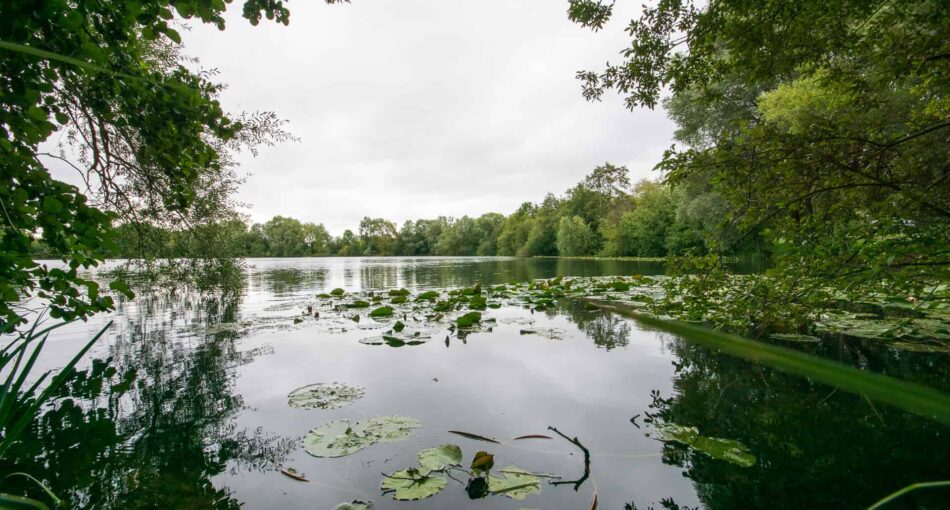
With several commons to over 50lbs and more than 20 fish over the 40lb mark, Kingfisher Lake is also home to big pike and bream and is regarded as the main specimen carp water at Bluebell Lakes. However, because there are few small fish, it is often regarded as the hardest of the waters on the complex.
Kingfisher lake depths
Depths vary throughout this seven acre water but generally average between 14 and 16 feet depending on the time of year with most anglers concentrating their fishing between 10ft and 12ft on the popular swims.
The point swims can be deadly from April until the end of September whilst the other swims are good all year round. Anglers on the Point swims tend to fish between 20 and 60 yards out whilst elsewhere anglers cast to around 40 yards or fish close in to the banks.
Fishing close to the bank or about 20 yards out are also popular methods for pegs along the Creek bank. Fishing is also generally good in the margins where cover is provided by the overhanging willows and beds of lilies.
Ideal baits
Popular particle baits include hemp, sweetcorn, maize and carp pellets as well as more traditional boilies, cheese and luncheon meat. Since the start of 2018 the use of maggots has been banned at Bluebell.
During summer, surface fishing using bread and dog biscuits has been very successful, paricularly in calm warm weather when the fish can be enticed with a few free offerings.
Sandmartin Lake
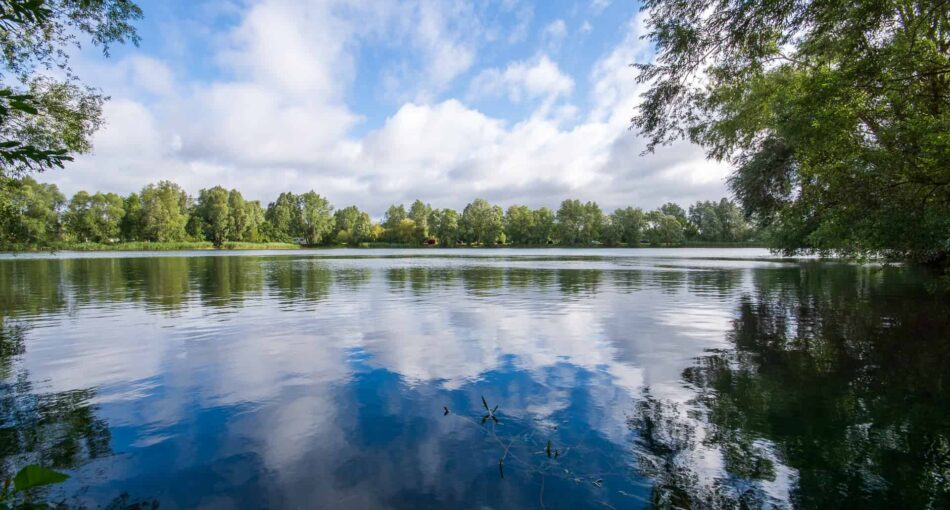
Depth of Sandmartin lake
Until a few years ago Sandmartin and Swan Lakes were one but were separated by the creation of a causeway which has now become well established. Situated near the entrance road to the fishery, Sandmartin is the deepest of the two lakes with about seven feet of water being found up to 30 yards out from the Creek bank before the bottom shelves to between 18 and 20 feet. The deepest water can be found out from the road bank where the bottom falls to about 26 feet about 30 yards out.
Plenty of common and mirror carp
Stocked with more than 200 commons and mirrors ranging from 18lbs to 40lbs, Sandmartin now regularly produces fish to 30lbs with the lake record currently standing at just over 45lbs, an unnamed fish taken in 2018 from the first corner peg close to the shop.
In addition to the carp there are big bream and tench to double figures, roach to over 2lbs, some good sized perch and pike the mid-20s. As a result, Sandmartin is a popular piking venue with the most popular technique being traditional dead baiting. Few anglers bother with the spinner.
Commonly favoured baits
For the silver fish, most anglers use ordinary brown, white or flavoured groundbait to which casters, hemp, scolded maggots or sweetcorn can be added. Best hook baits include red and white maggots, casters, worm, sweetcorn and luncheon meat. When fishing the shallower margins most anglers use the waggler but over three rod lengths out a sliding float, swimfeeder or leger tackle is needed as the banks shelve steeply to the deeper water.
Because the majority of anglers who fish Sandmartin target the carp, the most popular baits tend to be pineapple, plum or Source boilies, sweetcorn, quarter-inch pieces of Pepperami or 21mm halibut pellets fished on a hair-rig. Anglers going after the carp should note that they should use a minimum line strength of 12lbs and a minimum of Size 10 hooks on this water.
Swan Lake
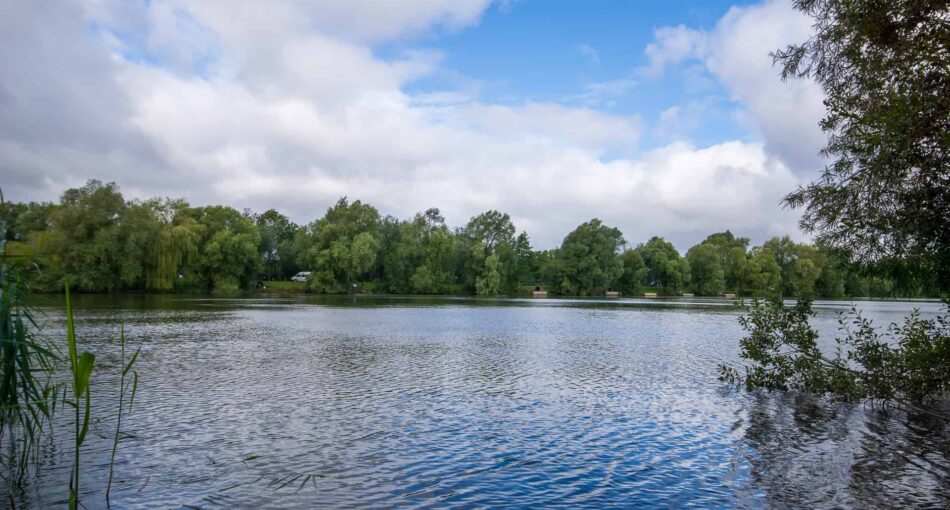
Heavy 50lb common carp
Following its development as a prolific big carp water, Swan Lake is now becoming nearly as popular as Kingfisher with specimens to over 50lbs as well as catfish to a massive 110lbs.
Best known of the named fish include ‘Dave’ which weighs over 55lbs, ‘The Box’ and ‘The Perfect Common’ both of which regularly come to the net a more than 50lbs. There are currently also several known 40lbs fish in Swan, some 35s, 30s and a good head of mid-20s. There are few fish under 20lbs in this water.
Twelve acres of water
About 12 acres in size with 27 pegs, Swan is between four and seven feet deep at the far end from the causeway with the remainder of the lake shelving away from here to between 14 and 16 feet.
In addition to the carp, Swan holds tench and bream to double figures and chub to 8lbs. Anglers fishing for the non-carp species tend to head for the causeway bank corners and ledger sweetcorn, maggots, pellet or 10mm boilies.
Mallard Lake
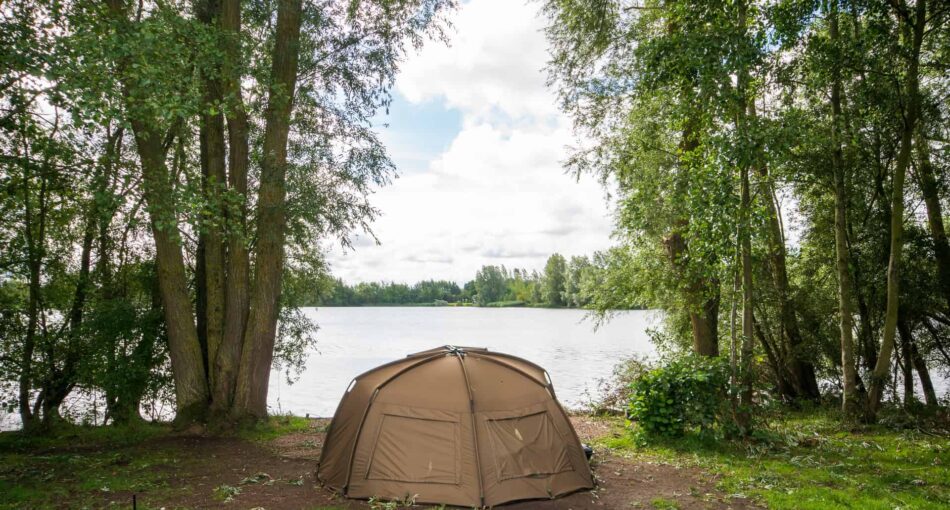
Opened in Spring 2008, the 20-acre Mallard Lake on the right as you drive into Bluebell Lakes is the venue’s new runs water, having been stocked with an estimated 2,000 commons and mirrors between 6lbs and 37lbs. The water now produces a lot of 30lbs fish with the biggest so far weighing 44lbs 10oz when last caught. There are also at least three known commons over the 40lb mark.
Formerly a private syndicate carp water, Mallard has a total of 40 pegs, most of them doubles, which are evenly spaced around the lake. In addition to the carp, Mallard is also proving to be a cracking silver fish water with a bream of over 18lbs having been caught in 2011 as well as tench to 12lbs. There are also decent shoals of quality roach, rudd and perch.
Other big bream included an 17lbs 6oz specimen which was taken by Antony Nolan who was fishing a 10mm boilie for carp in about 16 feet of water in the tackle shop end of the lake.
Ideal spots on the lake.
The most popular areas of Mallard tend to be the pegs alongside the entrance road because these are less weedy than other parts of the lake and because anglers can park their vehicles behind their swims. Whilst parking is also available in the field which runs behind much of the far bank, this can become inaccessible for cars in wet weather.
Useful techniques on Mallard lake
As one would expect, all modern and traditional carping techniques work well on this water but unless anglers are fishing large baits they can also expect to pick up some of the tench and bream. Popular baits so far have proved to be boilies, sweetcorn, and 21mm halibut pellets fished over large beds of 6mm pellets and free offerings. Other baits which have proved successful include artificial sweetcorn and luncheon meat.
Whether going for the carp or silverfish, a general rule of thumb on Mallard is to keep things simple. Also, because there are not large numbers of small fish in the lake, anglers going for the silvers can fish maggot or worm without fear of being pestered by little nuisance roach, rudd or perch
The River Nene
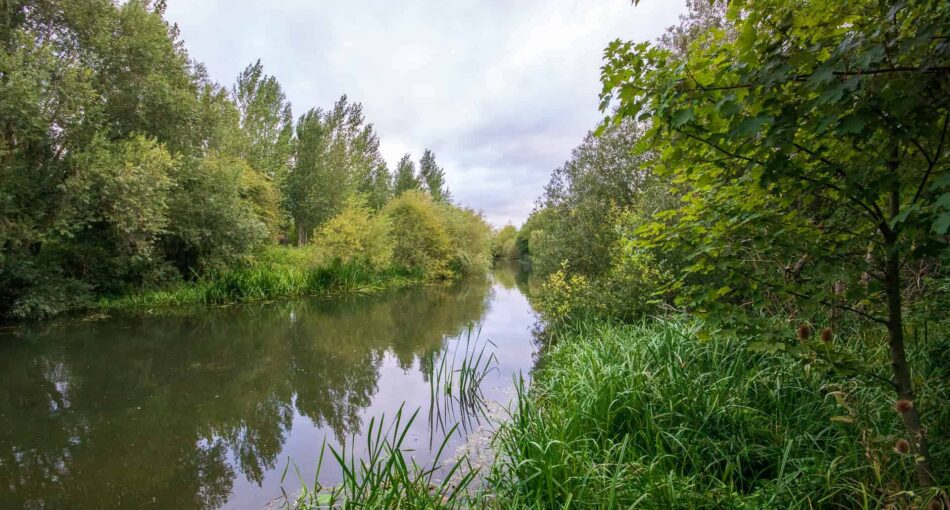
Bluebell Lakes’ two-mile stretch of the River Nene regularly produces carp to 30lbs, bream around 7lbs, chub to 8lbs, tench to 5lbs, perch to 3lbs, roach to 2lbs and eels to 7lbs. Willow Creek, which splits off the main river at the weir and runs through the Bluebell Lakes site, is recognised as a venue where you are virtually guaranteed fish of all species in the summer but which comes into its best form in winter with quality roach and chub catches a regular event.
Preferred baits on the river
Most anglers fish a waggler or small balsa float about two to three feet from the far bank and about four feet deep whilst pole and whip are also well suited to this water. Suggested baits are bronze maggot regularly fed both to the far bank and under your feet. The feeder may be responsible for larger chub just off the far bank.
Rules and conditions
- No drones without express permission
- Proof of ID may be required
- Manufactured barbless hooks only
- No braided mainline
- No keep sacks – Each angler is expected to have their own 42-inch landing net and unhooking mat/cradle
- No maggots to be used by any carp angler on any lake
- We reserve the right to refuse entry or evict anglers or guest without prior notice.
- All anglers/partners/members must report to reception before going on to the complex.
- When looking for a peg, your vehicle bust be left at reception car park
- No vehicles to be moved after dusk
- Buckets do not reserve pegs only valid sticker do
- If a bucket is left without a valid sticker, it will be removed
- One partner to each paying angler
- If you are expecting your partner later – Inform reception and tell your partner to park in the car park
- Pike fishing only in Bluebell and the river in the winter only – no live baiting
- One dog per angler. All dogs must be kept with you on a lead and under control at all times
- Please do not bring dogs if in season
- No Magic Twigs or similar devices
- No nuts, chickpeas or trout pellets
- 14 day maximum stay on one lake
- No generators
How to get there
You may also be interested in
If you are interesting in this fishery, then you may also be interested in other Fishing Lakes and Fisheries in Northamptonshire including, Naseby Reservoir, Drayton Reservoir, Boddington Reservoir.








Comments