
Avington Trout Fishery
Avington Trout Fishery near Winchester in Hampshire is acclaimed as one of the oldest and finest stillwater trout fisheries in the UK
Key facts about Avington Trout Fishery
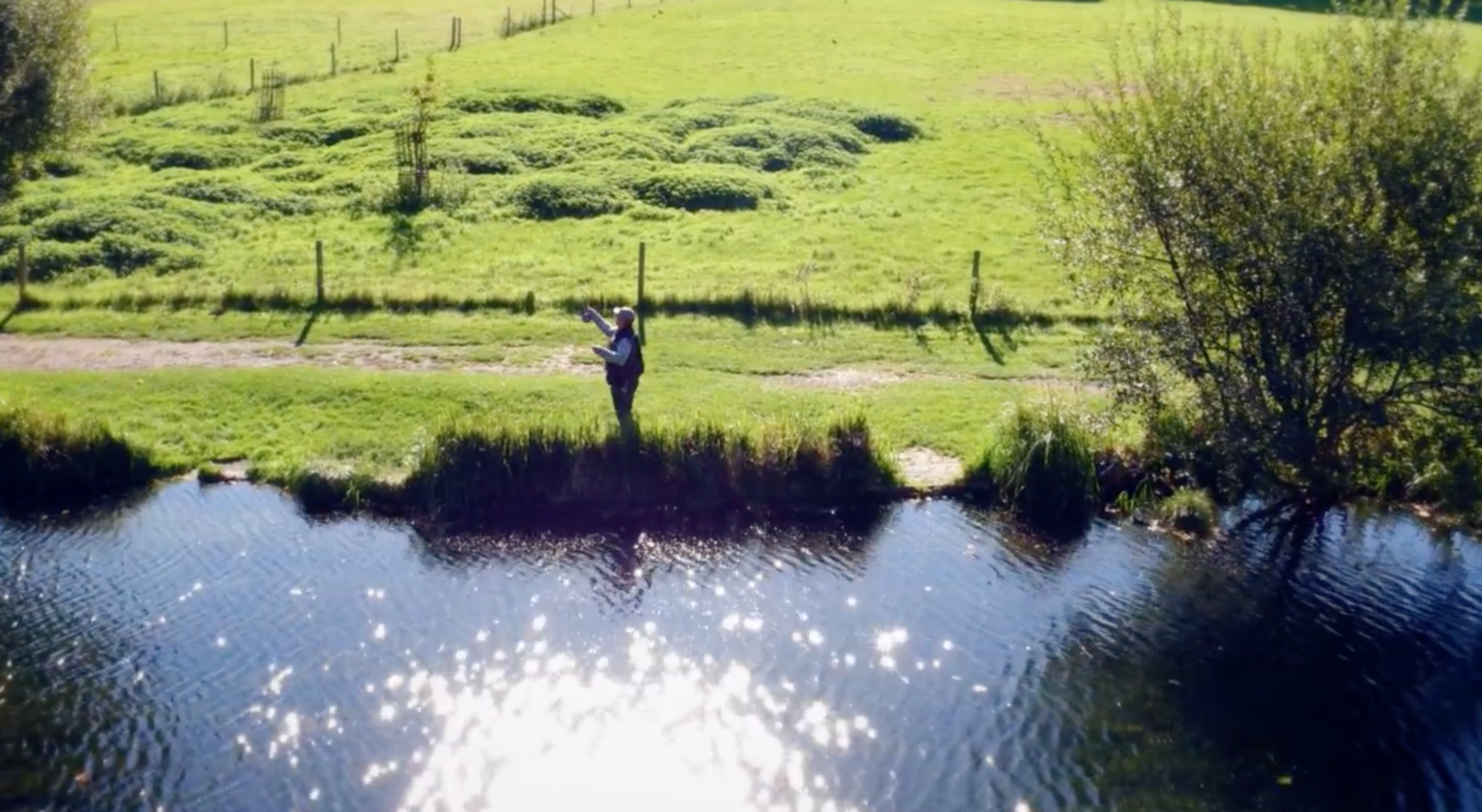
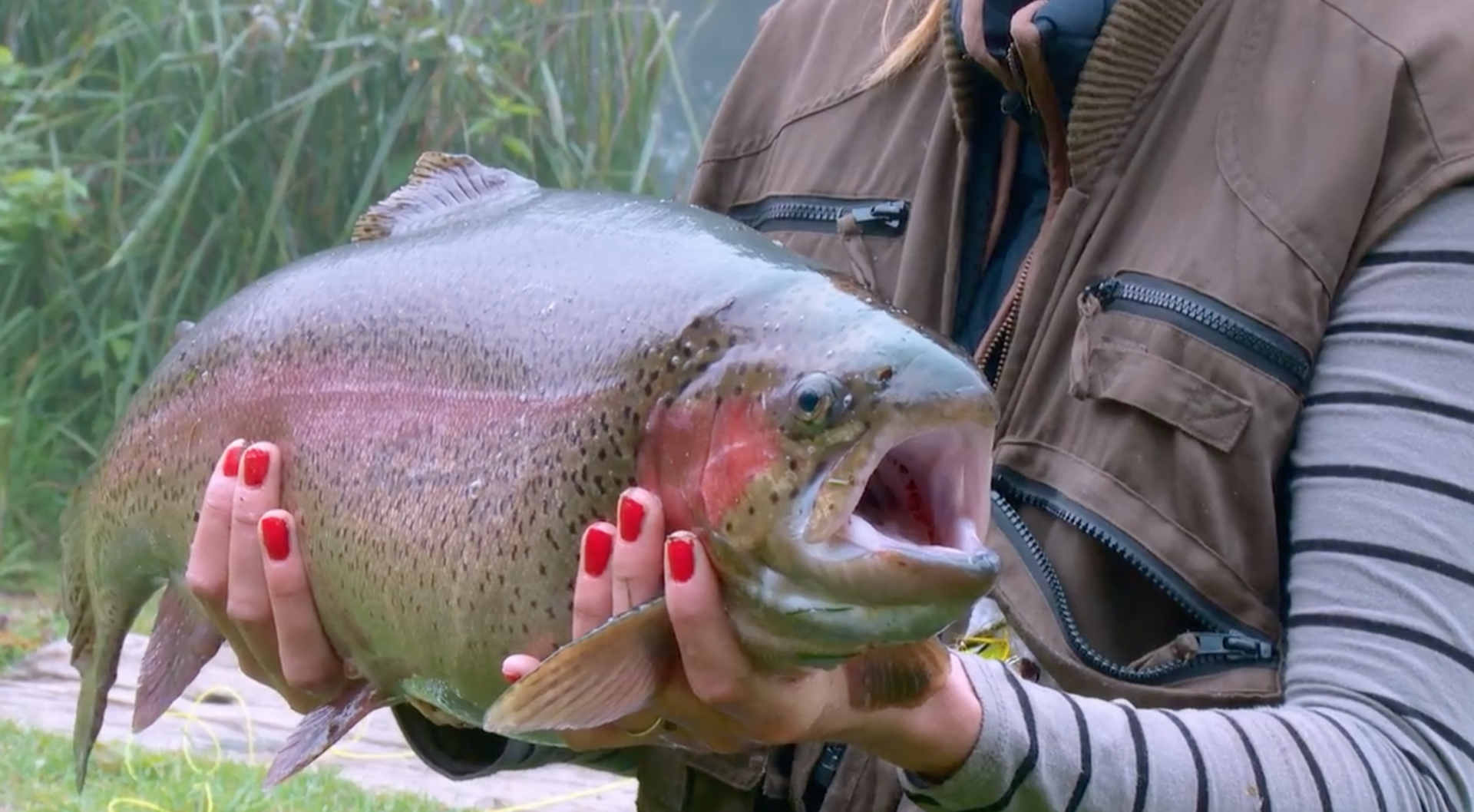
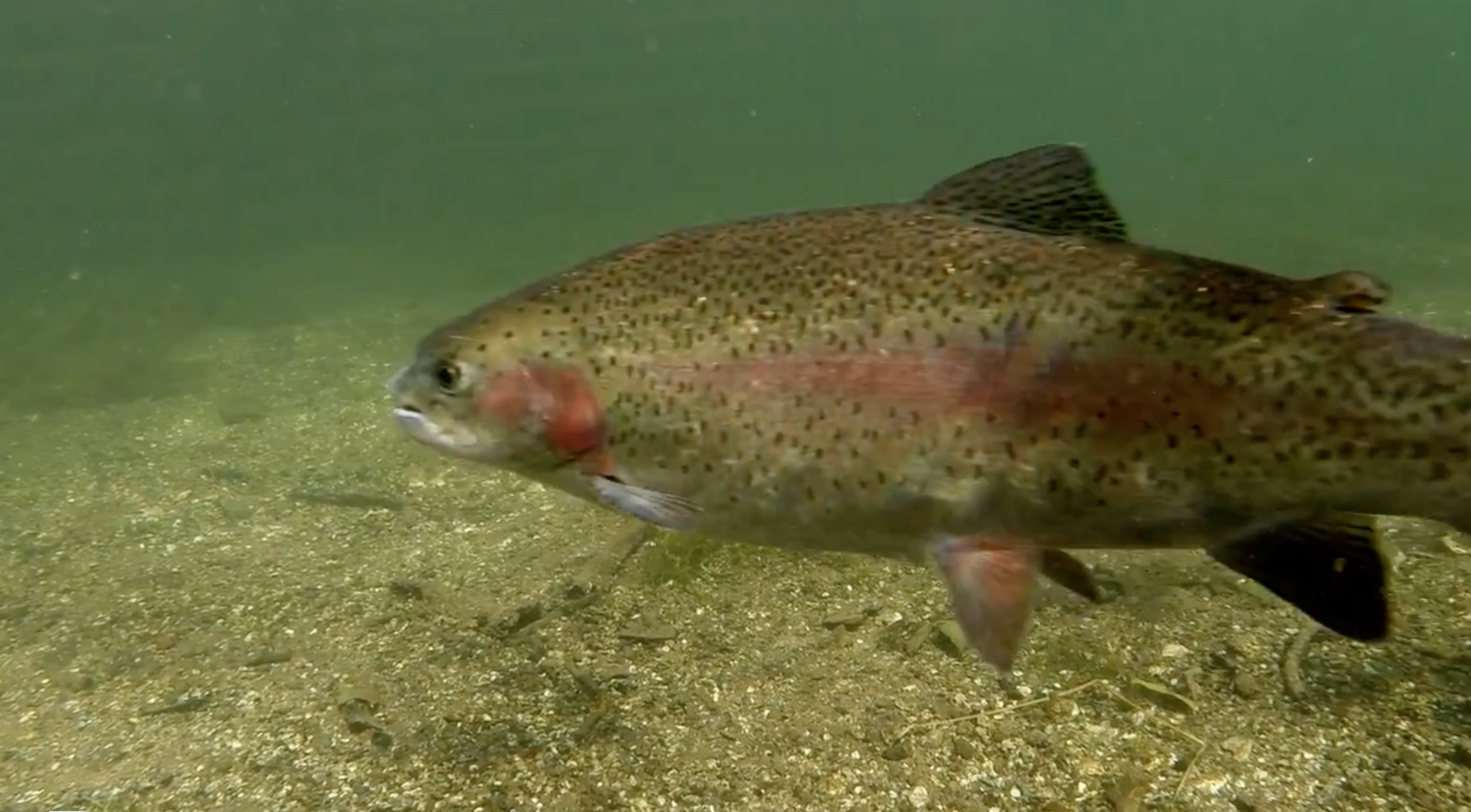
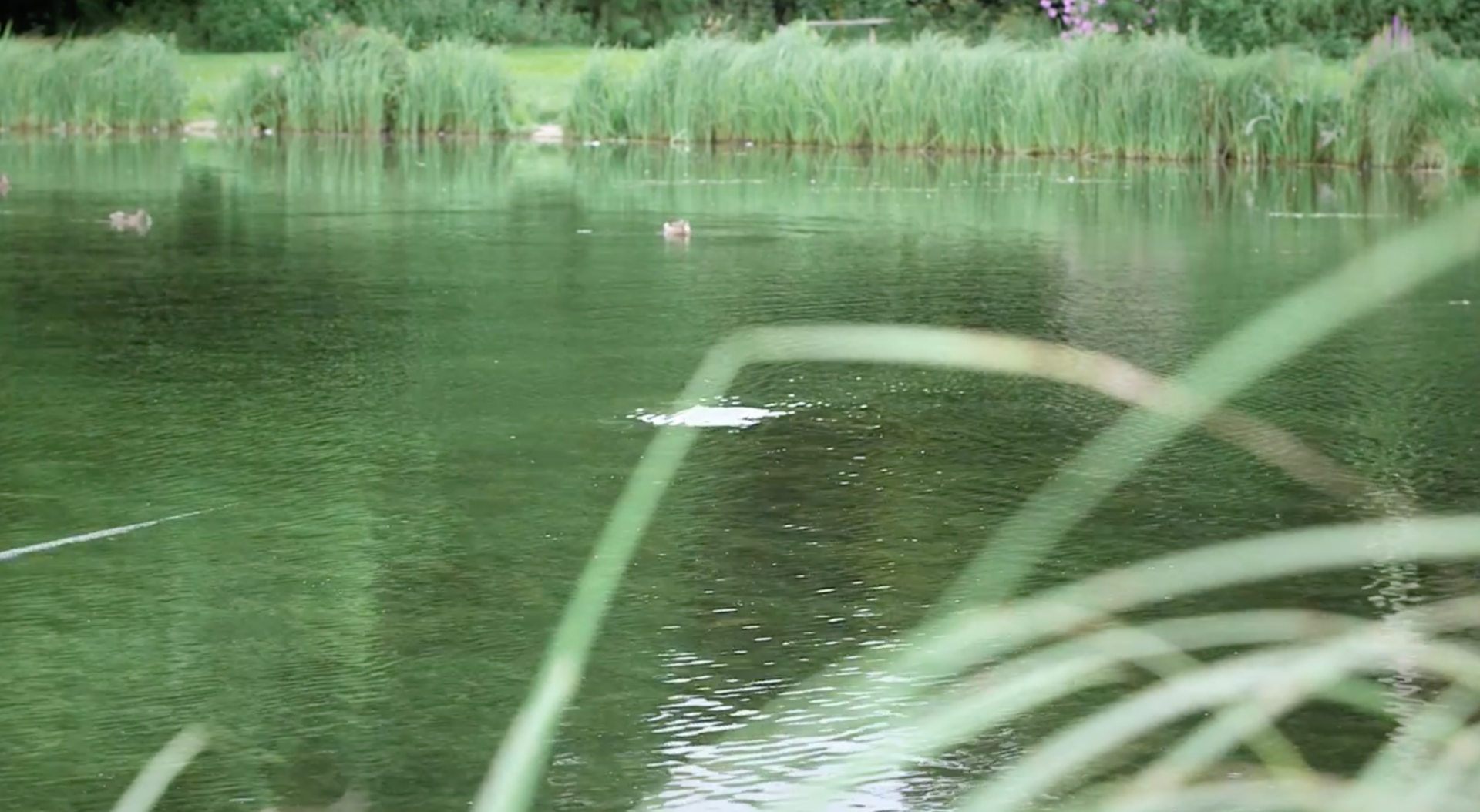
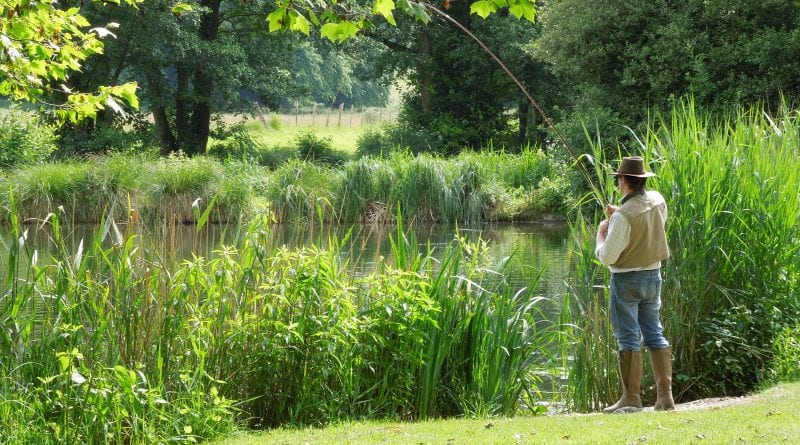
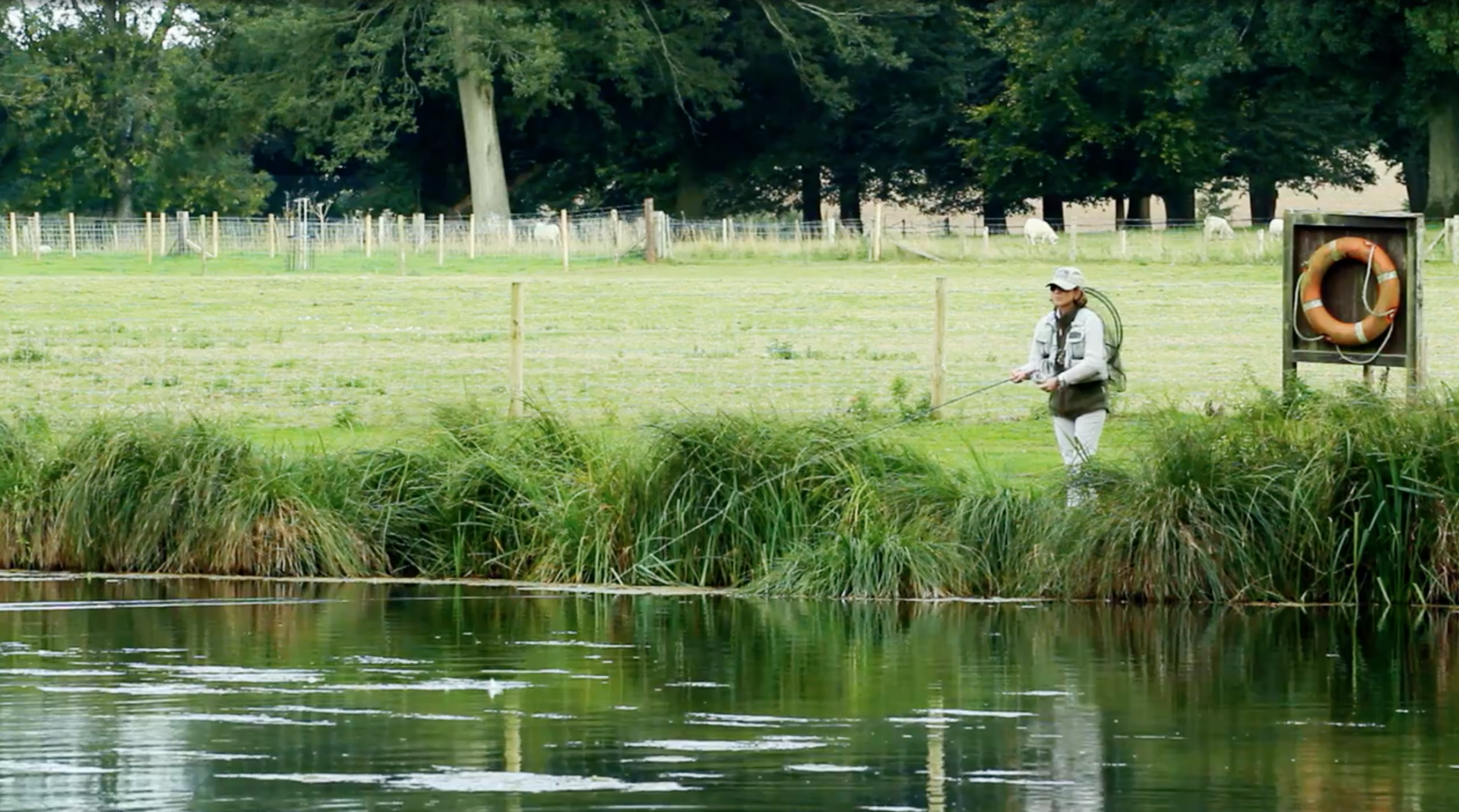
One of the finest – and oldest – stillwater trout fisheries in the UK
It should come as little surprise that the county of Hampshire, with its clear chalk bottomed rivers such as the famed Hampshire Avon and the Itchen, should also boast one of the finest – and oldest – stillwater trout fisheries in the UK.
Avington, to be found in the little village which bears the same name, was once part of Avington Park, a Georgian manor house which was extended by its owner in the mid-17th Century to accommodate Charles II and Nell Gwynne. The park is still in private hands but is open to the public between May and September.
The two lakes furthest from the entrance, together with the carrier stream of the nearby River Itchen, were built to hold water to drive the generators which supplied electricity for the estate and half of the village. Subsequently purchased and developed as a trout fishery, Avington was bought in 1970 by Sam Holland, the British NASA space scientist and acclaimed trout angler who pioneered the introduction of big trout in England. It was Sam who extended the fishery further by digging Lake One, the lake nearest the entrance.
He spared no expense in developing Avington into a mould-breaking top class trout fishery, a position it still holds to this day, having been taken over in 1997 by the current owners Bob West and his wife Ginnie.
Clear water, big fish – and summer glamping
Set in a secluded location and renowned for its clear water and big fish, it is easy to see why. Available on day ticket and for corporate events, Avington offers quality angling for triploid rainbow and brown trout. In summer the venue also offers glamping.
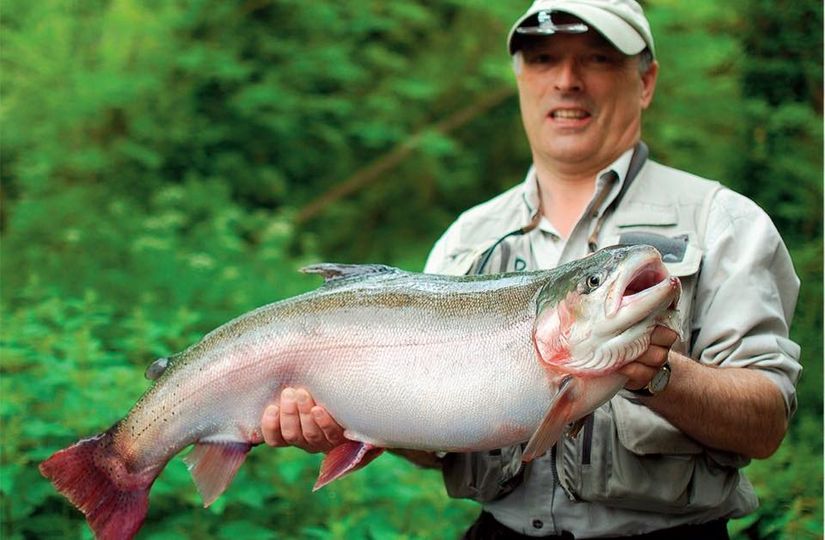
Stock fish are 4lbs-plus and fish of 10lbs and more are regularly caught with the current record for a rainbow being a staggering 28lbs and the record for a brown trout an equally impressive 22lbs.
To compliment the angling, Avington has a modern and tasteful bar and anglers’ lodge – appropriately named ‘Rainbow’s End – which serves a wide range of food and drinks and which opens onto the verandah and lawns overlooking Lake One. Catering for up to 50 diners, the lodge is an ideal place for a meal, quiet drink or club and corporate presentations. As one would expect for a venue of this quality, there are facilities for lady and disabled anglers.
Friendly and helpful staff
Once you have caught your fish you can take advantage of the fishery’s own gutting room, which is kept spotlessly clean, where you can weigh and gut your catch. If you don’t know how, the staff at Avington will be happy to show you. Indeed, the friendliness and helpfulness of everyone at Avington is a delight to experience with staff usually on hand to give advice and information on where is fishing well and what flies are working best.
For those who fancy trying their hand at fly fishing for the first time, tuition from qualified STANIC instructors is available – and you don’t even need your own tackle as tackle hire is available. Indeed, the tackle hire includes not only rod, reel, leader and flies but also a fishing waistcoat, landing net, pair of forceps and a priest to despatch your catch to rainbow heaven quickly and humanely.
The only thing you really need to take for yourself is a pair of polarising sunglasses – an essential item to help you spot and track fish in water which is usually crystal clear – clouded only by the occasional and natural algal bloom which can strike without warning in hot sunny summer weather. As you would expect, the polarising sunglasses are also available to purchase in the tackle shop.
Avington caters for corporate events
Avington is not only an ideal venue for individual anglers but it is well-equipped to host a wide range of corporate events with an impressive list of clients which includes financial services, telecommunications, major retailers and many household names.
With a choice of menus, the fishery can even be booked exclusively for the whole day at a price which compares favourably with other corporate entertainment venues – with the difference that guests will probably end up going home with a few nice trout for their future enjoyment.
Whatever your ambitions, whether it is catching a double figure trout or just wiling away the day with a nice meal, a few drinks, a few hours fishing and passing a quiet afternoon by the side of the carrier stream which holds wild brown trout and grayling plus a variety of coarse fish including perch, Avington has it all. And for regulars there’s an angling club which offers a 10 per cent discount on certain items you buy at the fishery including day tickets and tackle.
Lake One
Lake One is the easiest to fish
The first water you come to at Avington Trout Fishery – and the closest to the Fishing Lodge – Lake One is also regarded as the best place to go if you want to get a fish on the bank, being the easiest of the three lakes. This is also the water which is generally used for instructing anglers new to fly fishing.
As with all the Avington waters, Lake One is crystal clear which means that anglers can pick off individual fish – a technique used to good effect by some regulars who make a habit of stalking the water, spending time identifying a specific fish and following it for as long as it takes until it falls for the lure. Whilst more traditional cast and retrieve works well, stalking is the method most often used to catch the bigger fish.
Lake One is a floating line water
Although Lake One is definitely a floating line water, the lures and flies which work best vary from day to day for both stalking and cast and retrieve anglers. As a broad guide, cast and retrieve anglers should go equipped with a selection which includes buzzers, daddy long legs and gold head nymphs including damsel, orange and Montana patterns.
Those going intent on stalking should opt for very heavily weighted tungsten beaded and lead wrapped flies to ensure they get down to the fish quickly and retrieve in a way which will make the trout pounce on the lure.
Nine foot six weight rod is ideal
As a guide, a nine-foot six-weight rod tends to be the most popular with anglers using a leader the same length as their rod and any weighted pattern lure.
Lake One is shallow near the Rainbow’s End where about four feet of water can be found and runs steadily deeper along its length until it reaches about 10 feet at the far end. However, because of the clarity of the water it is easy to see the bottom in most places.
However, the clarity of the water can be a two-edged sword, for whilst the Avington fish are not particularly shy they can just as easily see the angler as the angler can see the fish. As a result, if the fishing is becoming difficult, it may pay to stand a little further back from the water’s edge and take advantage of any cover you can find. Fortunately, however, the fishing is rarely difficult on Lake One as the trout are used to anglers passing by all day long as they make their way to the far end of the water or to the other two lakes.
Lake Two
Take advantage of bankside cover when stalking the trout
Unlike Lake One, Lake Two is shallower in the centre than around the edges, which again makes it a popular stalking water with many of the fish being taken fairly close to the bank. This means that anglers should take advantage of any cover provided by the trees and the sedges which grow in the margins.
When fishing Lake Two it pays to use stealth and cunning when stalking your prey. Many anglers approach the water cautiously, popping their heads through or over the sedges to pick out their quarry and then cast to it.
The most popular of the three Avington Trout Fishery waters, Lake Two is the largest lake at the venue and again fishes well to buzzers, daddy longlegs and gold head nymphs. It also offers plenty of seating around the lake, including attractive grotto-style shelters which offer an ideal refuge from any harsh sun or rain showers.
Lake Two has a gravel bar down the centre
Under the surface is a gravel bar which runs like a spine down the centre of the lake and at midday the fish tend to come out from the shelter of the banks and weed to feed on the top of the bar.
The fish in Lake Two are of a similar stocking ratio and stamp as those in Lake One with plenty of rainbow from 4lbs upwards and a good number over 10lbs.
Lake Three
Lake Three is pretty but harder to fish
With a large bowl at the entrance and a shelf which runs all the way down the woodland side, Lake Three is the hardest, but also the prettiest and quietest of the three Avington Trout Fishery waters, being the furthest lake away from the entrance.
Many of the fish tend to hide in the large deep channels which run down either side of the water and when they feel like feeding they come out and make for the weed bed at the far end of the lake where they will feed just above the weed itself. This makes the far end always worth investigating, and with plenty of trees to provide cover, it is particularly appealing for anglers wanting to stalk either individual big fish or simply cast to a shoal.
Be careful with your back cast
Unfortunately, it also has the downside for the less experienced that there are plenty of tree branches and leaves to snag your fly on the back cast. This means anglers tend to roll cast, flicking their fly over the surface to get it where they want it.
Because the right hand bank of the lake as you approach it from the entrance runs along woodland, the three or four pegs on this side of the water also require anglers to roll cast, although the left hand bank is more open and suitable for more conventional overhead casting.
Overall, Lake Three is another great stalking water with plenty of cover along much of the bank provided by the waterside sedges and groups of pampas grass. At the entrance end there is a weed bed and because the water is well oxygenated with the incoming water from the carrier stream, this also tends to hold plenty of fish.
As with Lake One, the same flies and lures which work on Lake One also work equally well on Lakes Two and Three.
The River Itchen carrier
A typical shallow Hampshire chalk stream
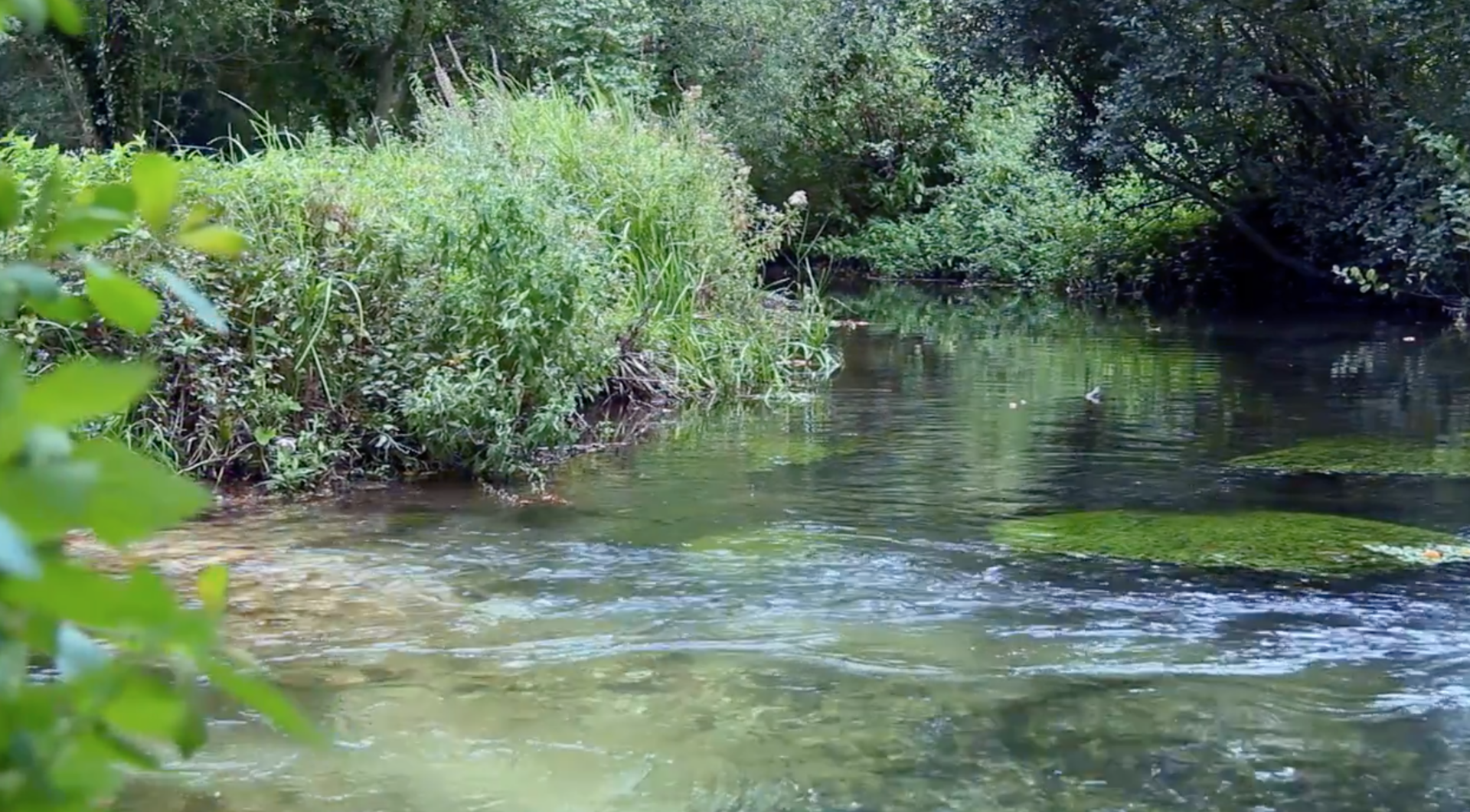
Not stocked by the fishery but with its own head of wild brown trout, grayling, perch, eels and other coarse fish which come into it from the River Itchen, the carrier is a typical shallow Hampshire chalk stream.
Leaving the main river at the entrance to the fishery, it supplies water to the fish rearing ponds and the three lakes before rejoining the river at the far end of Lake Three. As a result, some of it runs in the open, whilst a good stretch cuts through the woodland which fringes one side of the fishery.
Here a short rod is required and the angler must tread stealthily to avoid spooking any fish they come across. Cast upstream of anything you see and let the fly drift down towards the fish.
It pays to fish light
One of the main features of the carrier are the impressive grayling which run to 1lb – decent fish for the species – plus wild brown trout to a similar size. Because of this it obviously pays to fish fine with a half-rod length leader and 2lb line tied to a dry fly or ordinary unweighted nymph. Be aware, though, that anything with a gold head is likely to scatter the fish when it hits the water.
Without doubt a stalking session along the carrier can provide a relaxing and interesting change from fishing the lakes, particularly in warmer weather when the cool of the trees can be most welcoming.
Prices
For details of other prices see Avington Trout Fishery’s own website
Barbless hooks only
Day Ticket Catch |
Four fish catch | Three fish catch | Two fish catch (half day) |
|---|---|---|---|
|
|
|||
|
130.00
115.00
100.00
|
|||
| 130.00 | 115.00 | 100.00 |
Catch & Release |
The Lakes | Carrier only |
|---|---|---|
|
|
||
|
75.00
80.00
|
||
| 75.00 | 80.00 |










Comments